

WIZZ AIR MARKS INTERNATIONAL WOMEN’S DAY WITH TEN ALL-FEMALE FLIGHTS ACROSS EUROPE
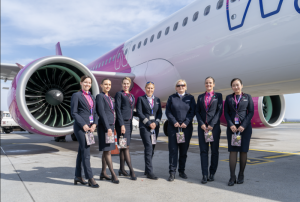
Wizz Air, the fastest growing European airline, has marked International Women’s Day 2026 by operating a series of all-female flights across multiple markets. Seventy female pilots and cabin crew operated flights on 8 March across the network as part of the airline’s ongoing commitment to gender diversity and equal opportunities in aviation. This year’s edition marks the fifth all-female flight carried out by Wizz Air since the initiative was introduced in 2022 as part of the airline’s ongoing commitment to promoting gender diversity and equal opportunities in aviation.
Taking place today in 10 countries including the United Kingdom, Hungary, Italy, Moldova, Romania, Germany, North Macedonia, Slovakia, Austria, and Spain, Wizz Air flights were operated entirely by female flight and cabin crew, alongside female colleagues in ground operations, highlighting the important role women play across the airline’s operational functions.
The all-female flight from London Luton airport to Budapest Ferenc Liszt International Airport was operated by Captain Iren Cserto and First Officer Szabina Nyers on the flight deck and Patrícia, Veronika, Reka, Nadiah and Nikolett in the cabin crew.
Globally, women comprise just 4.7% of all pilots, 3.1% of aircraft maintenance engineers, and 21.1% of air traffic controllers[1]. By comparison, women represent 49% of entry level roles across the wider workforce[2], and 35% across STEM fields globally[3].
Reflecting Wizz Air’s commitment to enhancing gender diversity across the aviation industry, the airline has an industry-leading proportion of women across all functions. As of March 2026, women accounted for 5.6% of the airline’s flight crew, reflecting steady growth over the past decade and placing Wizz Air among the leading airlines in the industry[4]. The airline remains committed to its long-term goal of reaching 7% female pilots by 2030. Female cabin crew already represent 68.5% of the airline’s workforce.
ADVERTISEMENT
This progress is supported by dedicated programs designed to attract and develop female talent, such as the “She Can Fly” pilot program. The programme sits within the Wizz Air Pilot Academy and is designed to increase the number of female commercial pilots entering the industry. In addition to this programme, Wizz Air also runs the “Cabin Crew to Pilot” initiative, which was launched in 2022, as well as “Office to Pilot” initiative, launched in 2025.
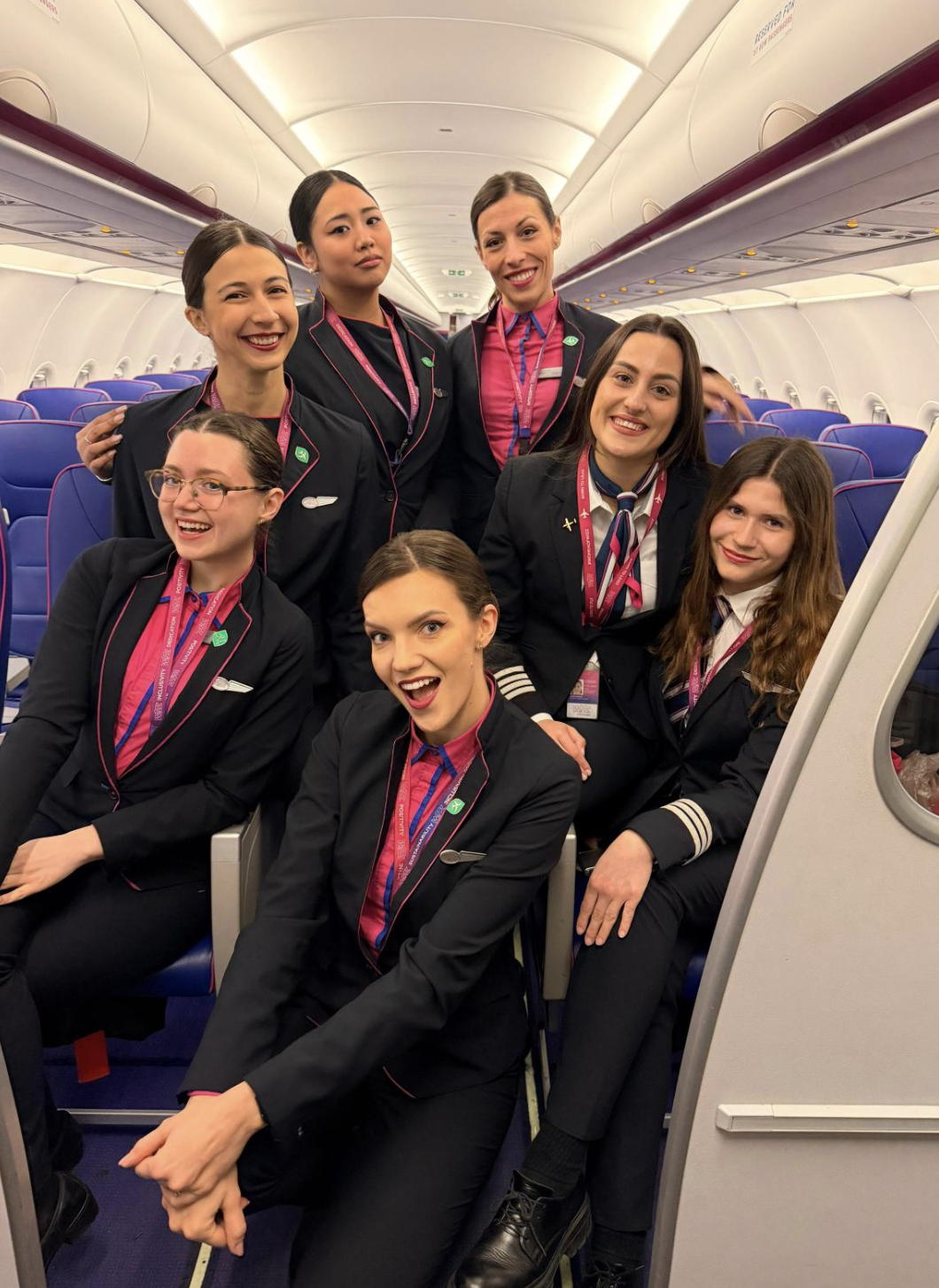
Marion Geoffroy, People Officer at Wizz Air, said: “International Women’s Day is an important moment to recognise the achievements of women across our organisation and to highlight the progress we are making towards a more diverse aviation industry. Our all-female flights, now in their fifth consecutive year, are a powerful symbol of what is possible when talent is given equal opportunity. At Wizz Air, we remain committed to opening doors for women – in the flightdeck, in the cabin, in technical roles and in leadership – by the end of 2026 the airline aims to increase the proportion of women in management to at least 40% – a milestone that is already within reach.”
Yvonne Moynihan, Managing Director at Wizz Air UK, said: “I’m proud that Wizz Air UK has the highest rate of female pilots within the Wizz Air Group and that their numbers continue to rise. Aviation has long faced gender imbalance, and we’re tackling it from cockpit to boardroom. We’ve doubled female representation in top management over the past two decades, and our efforts extend beyond leadership to empower women at every level. As a female leader in aviation, it’s important to lead with integrity, confidence and purpose, and to set a positive example for young aviation professionals considering a future in this industry.”
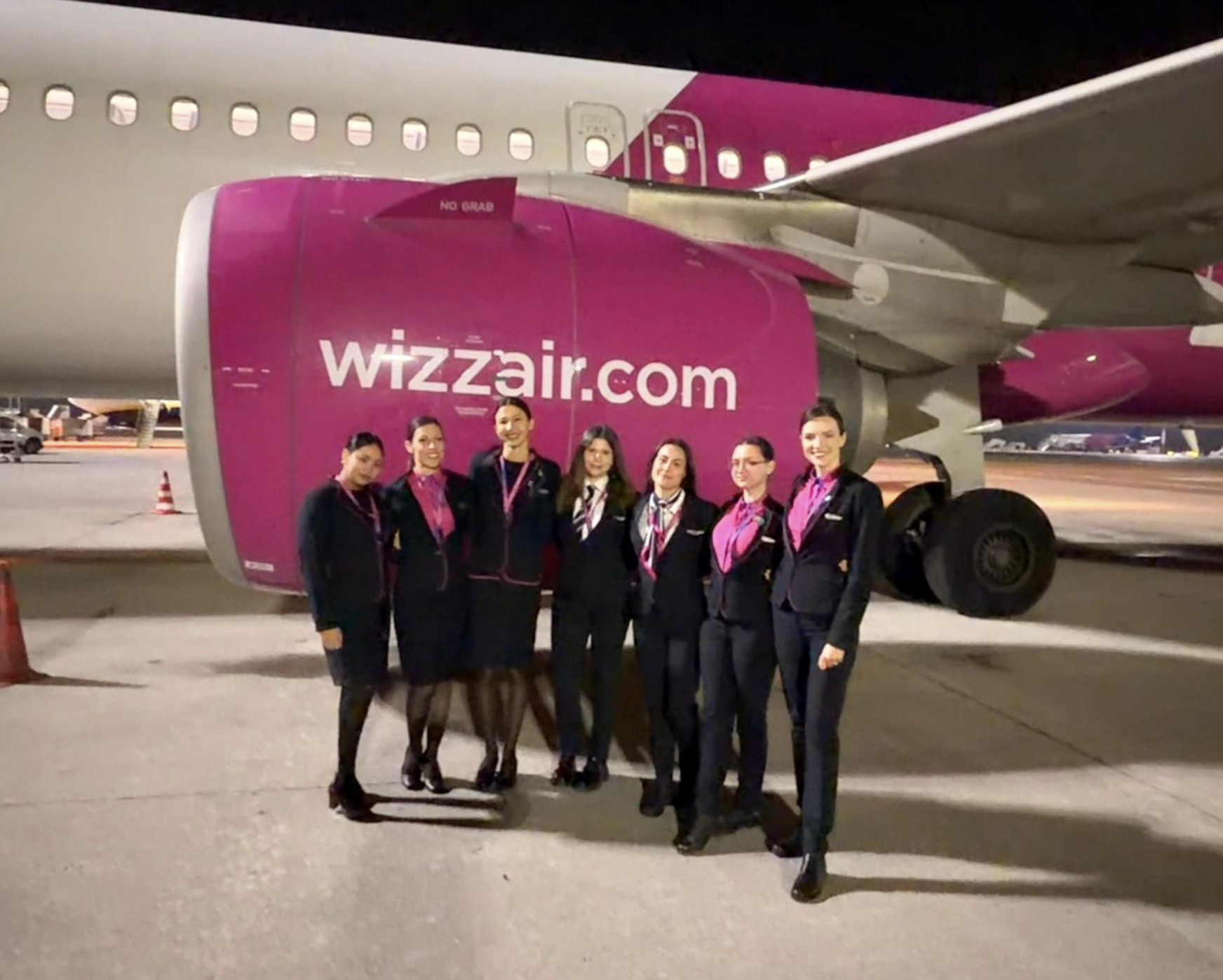
Beyond flight operations, Wizz Air is also focused on strengthening female representation in leadership and corporate roles. The share of women in top management (Chief Officers, Officers, Heads of Departments) has more than doubled in the past twenty years, rising from 16.67% in 2006 to 36.21% in 2026. At the same time, the share of women across other office based roles has increased from 24.53% in 2006 to 41.18% in 2026.