
International Women’s Month - “Give To Gain,”

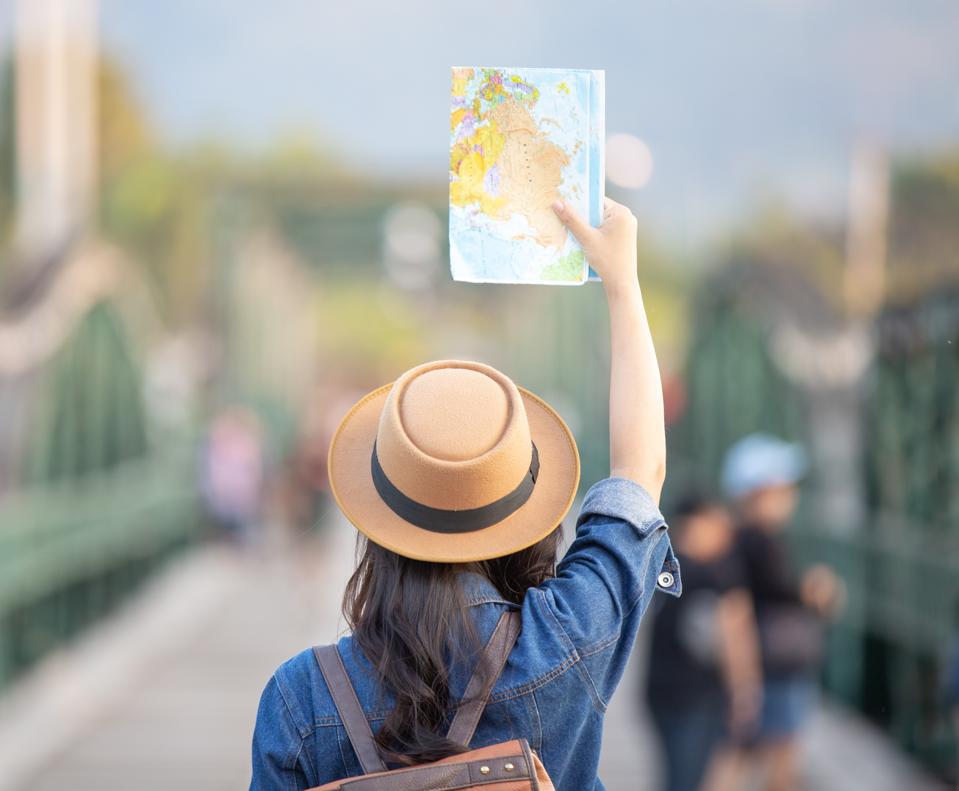
March arrives each year with a particular sense of momentum. It is a month shaped by reflection and resolve, observed globally as International Women’s Month—a time to honour the women who have shaped our past, influence our present, and are actively designing our future. With International Women’s Day falling on March 8, the month invites not only celebration, but also conversation. This year’s theme of sustainability feels especially resonant for the world of travel, an industry built on movement, connection, and responsibility.
Travel has long been shaped by women, even when their stories were overlooked. Today, those stories are increasingly visible—and deeply intertwined with the future of sustainable tourism. Across continents and cultures, women are redefining what travel looks like, how it operates, and whom it serves.
In rural landscapes and urban centres alike, women are leading community‑based tourism initiatives that protect both people and place. In coastal regions, women run small guesthouses built with local materials, serving seasonal food sourced from nearby farms and fisheries. In mountain villages, female trekking guides and porters are creating safer, fairer working conditions while offering travellers deeper cultural insight. These women are not only hosts; they are entrepreneurs, educators, and guardians of fragile environments.
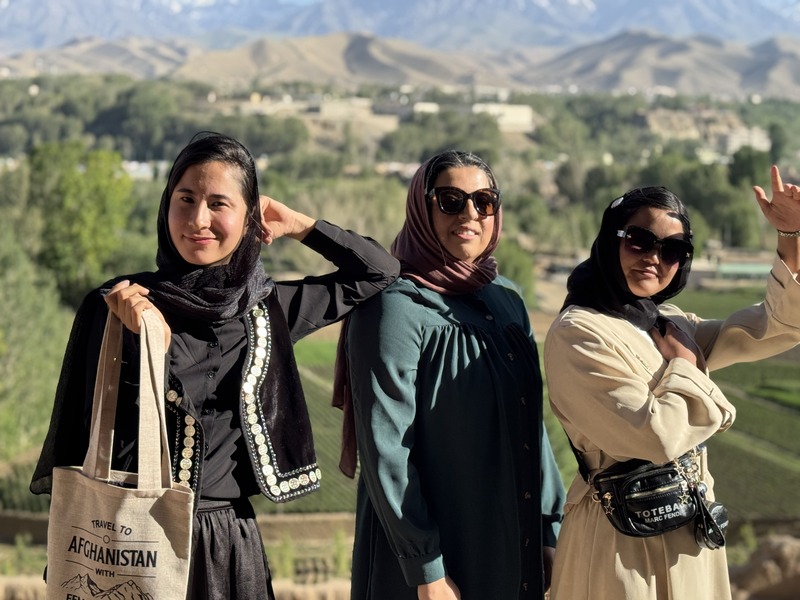
Women also play a critical role in conservation‑led travel. From wildlife sanctuaries to marine reserves, women scientists, rangers, and environmental managers are working on the front lines of preservation. Many lead projects that welcome travellers as participants rather than spectators—inviting them to learn about biodiversity, climate resilience, and the delicate balance between tourism and protection. These experiences remind us that sustainability is not abstract; it is lived, daily, by women whose livelihoods depend on healthy ecosystems.
In cities, women are reshaping travel through design, storytelling, and innovation. Female‑led tour companies are curating experiences that move beyond the checklist of landmarks, focusing instead on neighbourhoods, histories, and voices often left out of guidebooks. Women travel writers, photographers, and content creators are challenging narrow narratives of destinations, offering more nuanced, inclusive perspectives that celebrate complexity rather than clichés.
Hospitality, too, is being transformed. Women hotel owners and managers are embedding sustainability into the guest experience—from eliminating single‑use plastics and investing in renewable energy, to prioritising local hiring and training programmes for women and girls. Some properties double as social enterprises, funding education, healthcare, or artisan collectives through tourism revenue. In these spaces, staying the night becomes an act of support as well as rest.
Yet International Women’s Month is not only about highlighting success stories. It is also a reminder of persistent gaps. Across the travel sector, women remain underrepresented in senior leadership, policy‑making, and investment decisions. Too often, the women doing the most impactful work at community level have the least access to funding, visibility, or influence. Ensuring sustainability means addressing these imbalances—not as an afterthought, but as a priority.
ADVERTISEMENT
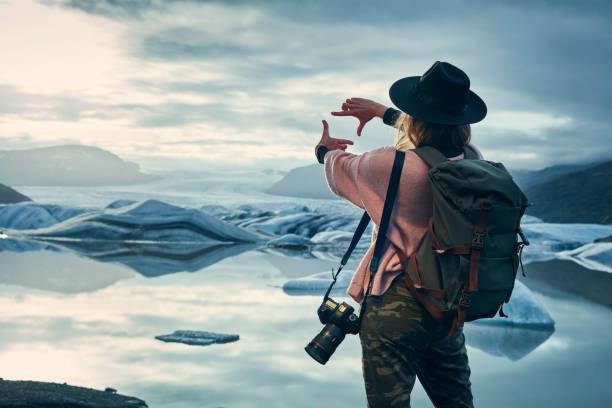
For travel media, this month offers a moment of accountability. Whose journeys are featured on covers and in campaigns? Who is framed as an expert or authority? Elevating women’s voices requires intention: commissioning stories from diverse women, crediting local collaborators, and recognising the labour behind the lens as well as in front of it. Representation matters not just for fairness, but for accuracy—because the travel story is incomplete without women.
Travellers themselves are part of this ecosystem. Choosing women‑owned businesses, supporting ethical tour operators, and engaging respectfully with local communities are small decisions that carry real impact. Sustainable travel is, at its core, relational. It asks travellers to listen as much as they explore, and to understand that every destination is someone’s home.
As March unfolds, International Women’s Month invites us to see travel differently—not as an escape from the world, but as a way of participating in it more thoughtfully. By recognising women’s contributions across every corner of the travel industry, we move closer to a future where sustainability is inclusive, equitable, and enduring.
Because when women lead, communities thrive. When voices are heard, stories deepen. And when travel reflects the full spectrum of human experience, the journey becomes richer for everyone.