

BTN Interviews: Pedro Homar, General Director of the Palma de Mallorca Tourism Foundation
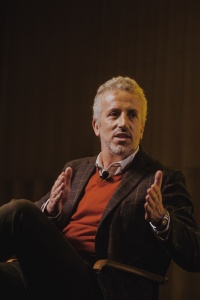 Pedro Homar, General Director of the Palma de Mallorca Tourism Foundation
 Palma is evolving its tourism strategy around long-term value, year-round demand and a stronger balance between visitor growth and residents’ quality of life. Through the Palma 365 vision, the city is positioning itself as a leading Mediterranean destination defined by culture, gastronomy, heritage, sustainability and contemporary urban life, while encouraging higher-value travel beyond the summer season. Investment in public spaces, sustainable mobility, environmental initiatives and smarter destination management is helping disperse visitors, support local businesses and improve the overall experience. Looking ahead, Palma aims to strengthen its core European markets while expanding in North America, the Middle East and Asia, with the ambition of being recognised as an authentic, cosmopolitan and forward-thinking city that prioritises quality over quantity.
BTN: How would Pedro describe Palma’s tourism strategy today, and how has it evolved in recent years?
Tourism has changed significantly over the last decade, and Palma has evolved with it. Today, our priority is to create a tourism model that delivers long-term value rather than simply increasing visitor numbers. We’re positioning Palma as a vibrant Mediterranean city destination where culture, sustainability and quality of life go hand in hand. That vision is supported by investment in public spaces, environmental initiatives and projects such as the Global Action Plan for Playa de Palma, all designed to ensure tourism benefits both residents and visitors.
BTN: What does the Palma 365 vision mean in practical terms for visitors, residents and the local tourism industry?
Palma 365 is about making the city vibrant throughout the year, not just during the summer months. By encouraging year-round travel, we’re creating greater stability for local businesses, supporting employment beyond the peak season and giving visitors more opportunities to experience the city at different times of year. For residents, it means a more balanced tourism model that contributes to a lively, dynamic city every month of the year.
BTN: How is Palma working to strengthen its position as a year-round destination rather than one primarily associated with the summer season?
One of Palma’s greatest strengths is that it already has everything needed to attract visitors throughout the year. Our role is to continue bringing those experiences to life through an expanding programme of cultural events, gastronomy, sport and exhibitions, alongside private sector initiatives such as Mallorca Photofest. We’re already seeing encouraging results, with strong growth in overnight stays during the shoulder and autumn seasons. Overnight stays by British visitors, for example, increased year over year by 13.64% in April 2025 and 11.48% in May 2025, demonstrating that we are successfully stimulating demand earlier in the shoulder season from one of our core markets.
BTN: How is Pedro approaching the challenge of balancing tourism growth with the needs and priorities of local residents?
For me, successful tourism starts with residents. If local people are proud of their city and feel they benefit from tourism, visitors will enjoy a more authentic and welcoming destination. That’s why we’re investing not only in infrastructure and public spaces, but also in initiatives that strengthen residents’ connection with Palma. Our new resident pride campaign encourages local people to rediscover the city’s culture, heritage and tourism experiences completely complimentary with the goal of reinforcing that connection between them and the experiences that bring guests from far and wide to our shores.
BTN: What role do culture, gastronomy, heritage and events play in attracting higher-value visitors and encouraging longer stays?
These experiences are what give Palma its distinctive character. From Nit de l’Art, which transforms the city into an open gallery each September, to TaPalma, our celebration of Palma’s cuisine through dedicated tapas routes and events throughout the city, both alongside an ever-growing programme of exhibitions and cultural events. They encourage visitors to engage more deeply with the destination, not only attracting travellers seeking authentic, high-quality experiences but also inspire longer stays, repeat visits and travel beyond the peak summer season.
BTN: How important are the UK and other key international markets to Palma, and where does Pedro see the strongest opportunities for future growth?
The UK remains one of our most important core markets alongside DACH, France, the Nordic countries and, of course, the domestic Spanish market. At the same time, we’re seeing encouraging growth from longer-haul markets.
Improved connectivity is helping us diversify demand, with the new Montreal route strengthening our appeal in North America, the Abu Dhabi connection opening opportunities across the Middle East, and growing interest from Asian markets, including South Korea. These markets represent an exciting opportunity as we continue to position Palma as a premium year-round city destination within long-haul source markets.
BTN: What is being done to encourage visitors to explore more of Palma and engage more deeply with the city?
One of our priorities is encouraging visitors to experience Palma beyond its most recognisable landmarks. The historic centre will always be an important part of the visitor experience, but the city has so much more to offer.
We’re promoting different neighbourhoods, local markets, galleries, green spaces, waterfront areas and cultural venues, encouraging visitors to spend more time exploring the city as residents do. Events also help us showcase different parts of Palma throughout the year, creating reasons to visit beyond the traditional tourist hotspots.
By dispersing visitors more effectively, we improve the visitor experience while also supporting local businesses across the city and helping tourism deliver wider economic benefits.
BTN: How are data, technology and smarter destination management being used to improve both the visitor experience and the management of tourism flows?
Palma is part of Spain’s Smart Tourism Destination (DTI) programme, which is helping us take a more data-led approach to destination management. Through visitor analytics, tourism intelligence and digital tools, we’re able to better understand visitor behaviour, monitor tourism flows and measure the impact of our initiatives. This allows us to make more informed decisions, improve the visitor experience and ensure tourism continues to develop in a balanced and sustainable way.
BTN: What does sustainable tourism growth look like for Palma over the next five years?
Success isn’t simply measured by visitor numbers. Over the next five years, we want to see tourism continue to generate economic value while maintaining the qualities that make Palma such a desirable place to live and visit. If we’re attracting visitors throughout the year, supporting local businesses, protecting our cultural identity and continuing to earn the confidence of residents, then we’ll know we’re moving in the right direction.
BTN: What new developments, investments or initiatives should the international travel industry be watching?
Palma is constantly evolving, not only through investment in infrastructure, but also through initiatives that strengthen the city’s identity. Projects such as the transformation of El Tirador into a major new urban park, improvements to sustainable mobility and our new campaign to foster resident pride all reflect our ambition to create a city that people are proud to live in as well as visit.
BTN: How does Pedro want Palma to be perceived by the global travel trade?
Our ambition is for Palma to be recognised as one of Europe’s leading Mediterranean city destinations: a vibrant, cosmopolitan capital with a distinctive identity and a compelling year-round offer.
We want the global travel trade to recognise the breadth of experiences the city offers throughout the year, from its cultural heritage and contemporary arts scene to its gastronomy, architecture, events and Mediterranean lifestyle. Above all, we want Palma to be seen as an authentic, high-quality and forward-thinking destination that is evolving responsibly while preserving the character that makes it unique.
BTN: What are your personal priorities for Fundació Turisme Palma 365 over the coming year?
Over the coming year, my priorities are to gradually place greater emphasis on Palma’s residents, integrating them more closely with the tourism sector and ensuring they play an active role in the city’s tourism strategy. We will continue advancing a model that prioritises quality over quantity, while developing long haul markets, particularly the Middle East, Asia and North America, that complement the high-quality tourism we are seeking to attract. Internally, we will also prepare the DMO for the challenges of the next four years and lay the strategic foundations for the new cycle from 2027 to 2032.
For more information visit: www.fundaciomallorcaturisme.net