

Tourism’s New Era: The OECD Trends Shaping Global Travel

The global tourism industry has once again demonstrated one of its most remarkable qualities – resilience. Having overcome a succession of unprecedented challenges, from pandemics and economic uncertainty to geopolitical instability and climate-related disruption, travel has continued to recover at an impressive pace. But while visitor numbers are climbing and confidence remains strong, the tourism landscape is entering a new phase where success will depend less on growth alone and more on adaptability.
The latest OECD Tourism Trends and Policies report paints the picture of an industry that is both thriving and transforming. Tourism has returned to record levels across many destinations, reaffirming its importance as a major contributor to employment, investment and national economies. Yet governments and tourism leaders are increasingly focused on ensuring that this growth is sustainable, resilient and capable of withstanding future shocks.
Navigating an Uncertain World
The biggest challenge facing tourism today is uncertainty.
Economic pressures continue to influence household spending, while geopolitical tensions have created disruptions to air travel, altered visitor flows and increased transport costs. The evolving conflict in the Middle East has highlighted just how interconnected the global tourism industry has become, with airlines, destinations and travellers all feeling the ripple effects of regional instability. Rather than slowing tourism’s recovery altogether, these events are encouraging destinations to become more flexible and diversify both their visitor markets and transport networks.
According to the OECD, geopolitical instability now ranks among the greatest concerns for tourism policymakers, alongside persistent inflationary pressures, transport connectivity and slower economic growth in key source markets. Despite these risks, confidence in the sector’s long-term outlook remains positive.
Sustainability Moves Centre Stage
Perhaps the most significant shift is the growing recognition that tourism success can no longer be measured simply by arrival numbers.
Destinations are increasingly looking beyond volume to focus on value—encouraging visitors to stay longer, spend more locally and travel throughout the year rather than concentrating demand into peak seasons. This approach helps spread economic benefits more evenly while reducing pressure on popular attractions and local communities.
Governments are also placing greater emphasis on protecting natural landscapes, reducing carbon emissions and strengthening resilience against climate change. Extreme weather events are becoming a major operational challenge for tourism businesses, prompting investment in climate adaptation, improved infrastructure and more robust destination planning.
Technology Changes the Traveller Experience
Digital transformation continues to reshape every stage of the travel journey.
Artificial intelligence, advanced data analytics and smart destination management tools are allowing tourism organisations to better understand visitor behaviour, improve crowd management and deliver more personalised experiences. AI is increasingly helping destinations forecast demand, manage resources and provide real-time information to visitors, making travel smoother while improving operational efficiency.
For travellers, technology is becoming almost invisible—powering seamless booking experiences, digital border processing, personalised recommendations and enhanced customer service without replacing the human element that remains at the heart of memorable travel.
Communities Become the Priority
One of the strongest themes emerging from the OECD report is the growing focus on ensuring tourism benefits local people.
Rather than concentrating investment solely in established tourism hotspots, many countries are encouraging visitors to explore lesser-known regions, rural communities and emerging destinations. This not only helps relieve pressure on overcrowded attractions but also creates new economic opportunities for smaller businesses and local entrepreneurs.
The emphasis is shifting towards tourism that enhances quality of life for residents while preserving cultural heritage, protecting local identity and ensuring communities remain active participants in destination development rather than passive observers.
Building Resilience for the Future
Recent years have reinforced the importance of preparedness.
Whether responding to public health emergencies, extreme weather, geopolitical disruption or economic downturns, destinations are investing in stronger crisis management systems and more resilient tourism strategies. Governments are placing greater importance on data-driven decision making, cross-border cooperation and long-term planning that enables destinations to recover more quickly from unexpected events.
The industry’s ability to adapt has become one of its greatest competitive strengths.

Looking Ahead
The OECD’s latest assessment suggests that tourism’s future will be defined not simply by attracting more visitors, but by attracting the right visitors in the right way. Increasingly, the world’s most successful destinations will be those that prioritise quality over quantity, balancing economic growth with environmental stewardship, cultural preservation and community wellbeing. Investment in smart technology, sustainable infrastructure and diversified tourism experiences is becoming just as important as traditional marketing campaigns, creating destinations that are more resilient to economic uncertainty and changing traveller expectations.
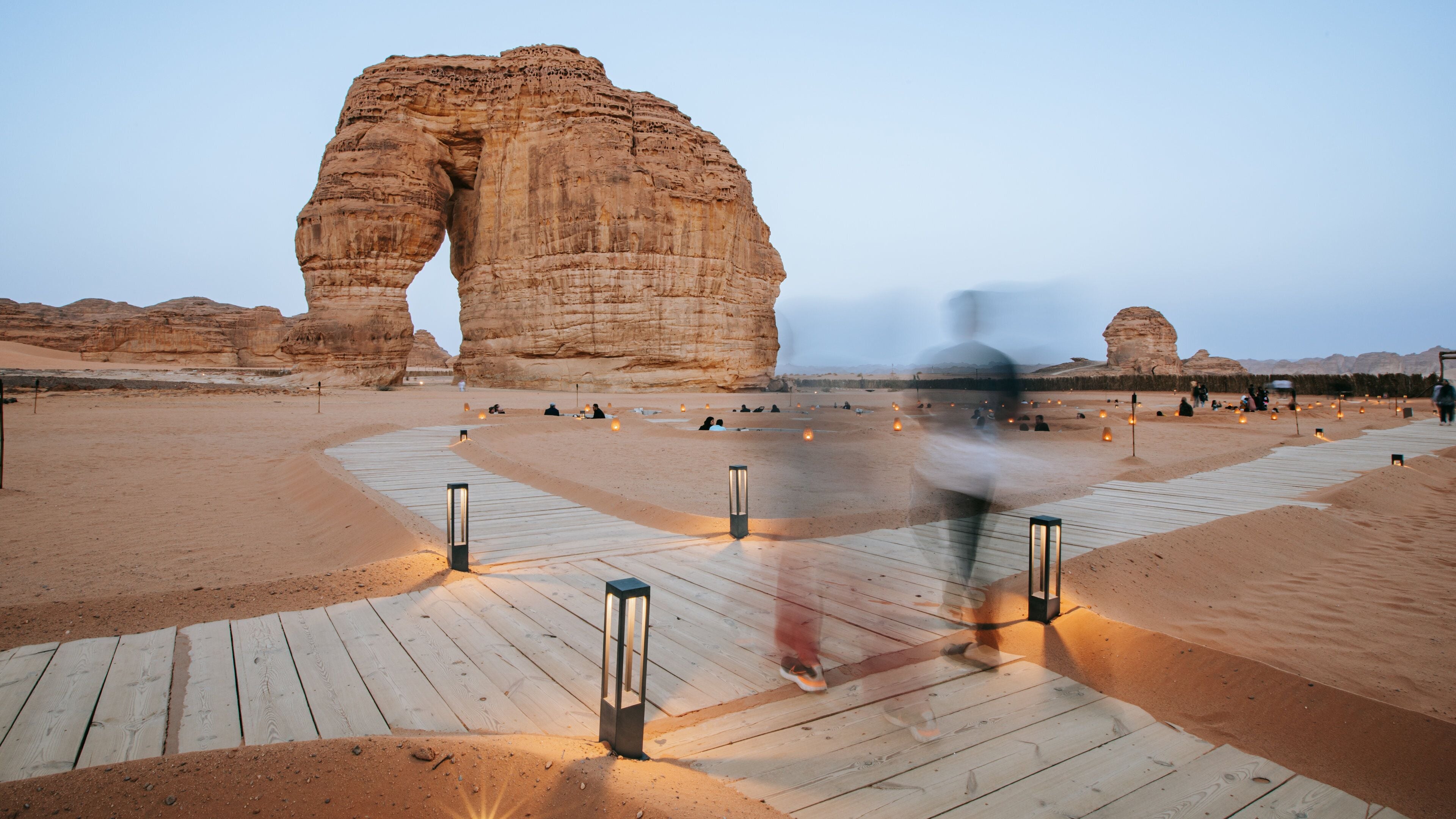
Saudi Arabia offers perhaps one of the most compelling examples of this new tourism model in action. Under its ambitious Vision 2030 strategy, the Kingdom is transforming itself into a global tourism destination by developing experiences that extend far beyond its oil economy. Rather than relying solely on iconic attractions, Saudi Arabia is investing in regenerative tourism projects such as the Red Sea, where luxury resorts are being designed with conservation at their heart, alongside heritage destinations like AlUla, where ancient archaeology, culture and storytelling take centre stage. At the same time, major investments in digital technology, transport infrastructure and hospitality are making the country increasingly accessible to international visitors, while ensuring local communities benefit through employment, entrepreneurship and the preservation of cultural traditions.
What makes Saudi Arabia particularly significant is that it is building a tourism industry for the future rather than simply expanding one from the past. By embracing sustainability, encouraging year-round travel through a diverse portfolio of coastal, desert, cultural and adventure experiences, and placing heritage and local identity at the heart of its tourism offer, the Kingdom reflects many of the principles highlighted by the OECD as essential for long-term success. As global travellers increasingly seek authentic, meaningful and responsible experiences, Saudi Arabia’s rapid evolution demonstrates how ambitious investment, careful planning and community-focused development can redefine a destination’s place on the world tourism map.