

The Impact of Escalating Hostilities on Flights to and from the Middle East
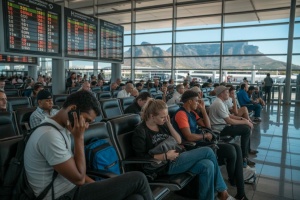
As tensions and military confrontations intensify across parts of the Middle East, the aviation sector has seen significant disruptions. Airlines, governments, and international aviation authorities are grappling with safety concerns, rapidly changing flight plans, and economic fallout as the region’s airspace becomes increasingly volatile.
Airspace Closures and Rerouted Flights
In response to rising risks, several countries have closed or restricted their airspace. These closures have not only affected flights within the region but have had ripple effects on long-haul international routes that traditionally pass over or near Middle Eastern airspace.
Major carriers that previously used direct flight paths across the region — particularly those linking Europe and Asia — have altered routes to avoid areas perceived as high-risk. These detours often add hours to flight times and increase operational costs due to additional fuel consumption and logistical complexity.
Airlines Pull Back Services
ADVERTISEMENT
Some international airlines have temporarily suspended services to airports in countries directly involved in conflicts or those adjacent to active hostilities. Passenger demand has also declined sharply on routes perceived as unsafe, leading carriers to reduce frequencies or cancel flights altogether.
For airlines that continue to operate, schedule volatility has become a familiar challenge. Flights are being canceled or delayed at short notice as conditions on the ground change, making planning difficult for both carriers and travelers.
Airport Operations Under Strain
Airports in affected areas are facing acute challenges. Some have been forced to shut down operations intermittently due to security concerns, damage to infrastructure, or curfews imposed by local authorities. This has left many passengers stranded, with limited options for onward travel.
Where airports remain open, heightened security measures are causing longer processing times, compounding delays. Ground staff and airlines are also under pressure to manage large numbers of rebookings and provide assistance to travelers navigating an unpredictable schedule landscape.
Safety Prioritized Amid Uncertainty
International aviation regulators and safety bodies have underscored that the safety of passengers and crew remains paramount. Advisories have been issued warning airlines about the risks of flying near active conflict zones. These advisories influence airline decisions on whether to use certain air corridors or divert routes entirely.
In some cases, the presence of military activity, anti-aircraft weaponry, or an unstable security situation has led authorities to designate large swaths of airspace as off-limits, even if no formal closure is announced. Airlines typically err on the side of caution under such circumstances.
Economic Toll on Aviation and Tourism
The financial impact on airlines has been considerable. Longer flight times, lower passenger loads on affected routes, and the costs associated with schedule disruptions are straining already thin profit margins for many carriers. Regional airlines that rely heavily on cross-border traffic are particularly vulnerable.
The tourism and business travel sectors have also felt the effects. Travel advisories issued by various governments have discouraged nonessential travel to and within the region, dampening demand further and affecting related industries such as hospitality, transport, and retail.
Adaptation and Resilience
Despite these challenges, the aviation industry is adapting. Some carriers are forging new partnerships to optimize network connectivity around the conflict, while others are investing in enhanced real-time monitoring and risk assessment tools to make more agile operational decisions.
Airports in less-affected countries are positioning themselves as alternative hubs, redirecting some of the displaced air traffic and offering services to transit passengers. This shift is helping to preserve some level of connectivity for international travelers.
Looking Ahead
The situation remains fluid, with airline strategies and flight schedules subject to rapid change. Long-term implications will depend heavily on how the broader geopolitical situation evolves.
For passengers planning travel to or through the Middle East, flexibility and vigilance are essential. Frequent communication with airlines, awareness of travel advisories, and contingency planning will be key in navigating the uncertainties that continue to shape air travel in and around the region.