

Lithuania’s Baltic Coast Offers Visitors a Peaceful Alternative to Europe’s Crowded Beaches
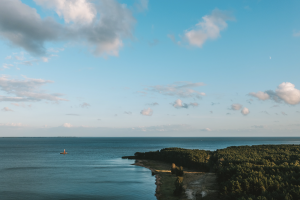
As travellers increasingly seek quieter, better-value alternatives to Europe’s busiest holiday destinations, Lithuania’s Baltic coast is gaining attention for its combination of unspoilt nature, coastal culture and accessible outdoor experiences.
Stretching along the Baltic Sea, Lithuania’s coastline combines Blue Flag beaches, UNESCO-protected landscapes, historic port towns and a growing food scene, offering visitors the chance to enjoy a slower pace of travel away from the congestion and rising costs associated with many traditional European resorts.
Nature remains one of Lithuania’s strongest attractions. According to Lithuania Travel’s international visitor research, 74% of foreign travellers cite nature as one of their main reasons for visiting.
“We’re seeing increasing interest from travellers looking for destinations where they can genuinely switch off,” said Olga Gončarova, General Manager of Lithuania Travel. “Lithuania offers clean air, protected natural landscapes and authentic experiences that allow visitors to reconnect with nature without sacrificing comfort or quality.”
UNESCO-Protected Coastline
One of Lithuania’s most distinctive destinations is the Curonian Spit, the narrow peninsula shared with Poland and recognised as a UNESCO World Heritage Site.
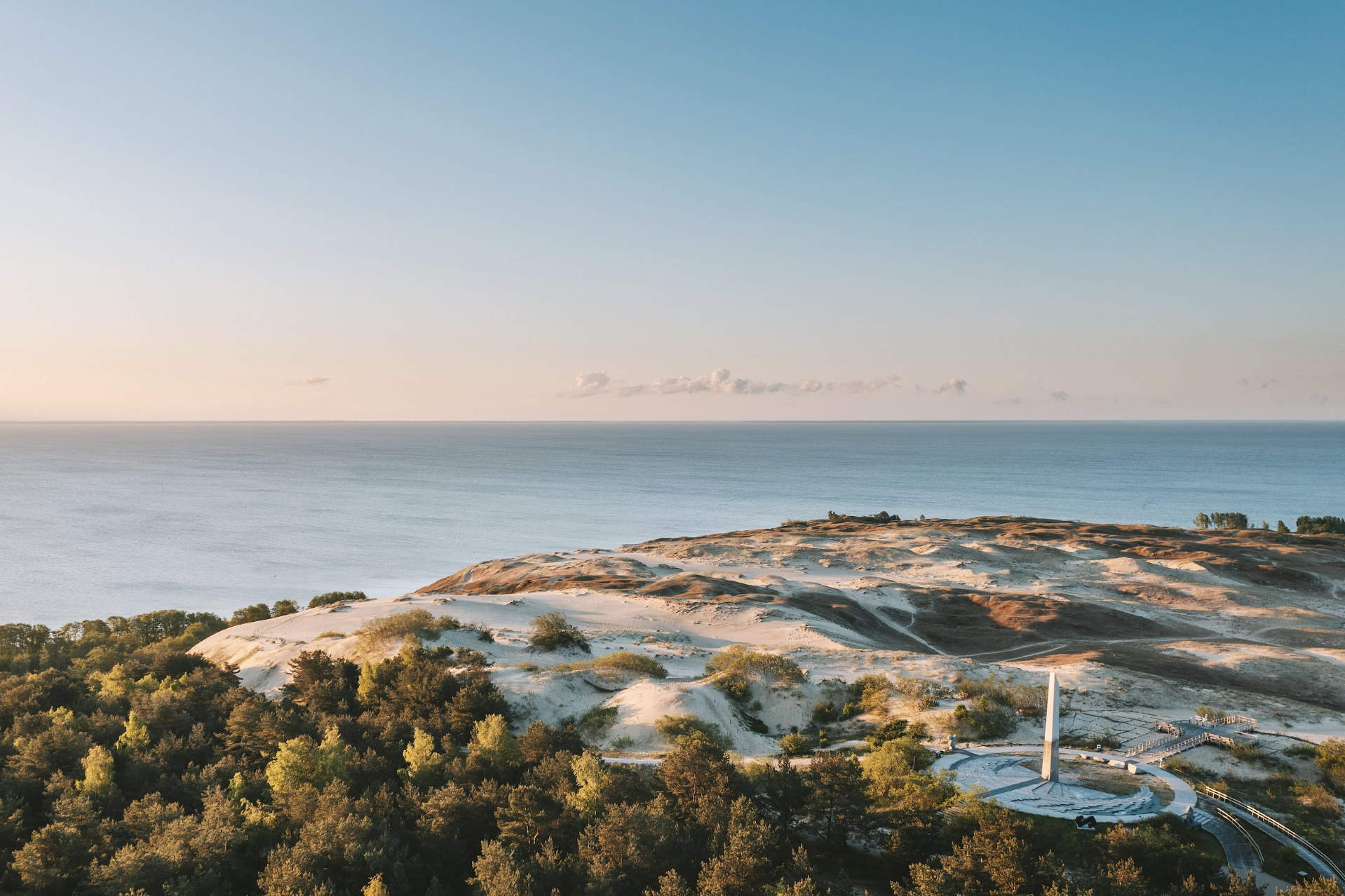
Known for its towering sand dunes, pine forests and wide beaches, the Curonian Spit offers opportunities for hiking, cycling and watersports in a protected natural environment.
Visitors can walk the Nagliai Nature Reserve (Dead Dunes) Trail, where elevated boardwalks cross shifting sand dunes, or follow the Parnidis Nature Trail to the summit overlooking the Baltic Sea and Curonian Lagoon.
ADVERTISEMENT
A recently renovated 50-kilometre cycling route connects the peninsula’s settlements, providing a largely traffic-free route suitable for cyclists of all abilities. The coastline also offers kayaking, canoeing, paddleboarding, sailing and cruises aboard traditional Kurėnas fishing boats.
Amber Hunting and Bird Migration
Lithuania’s Baltic coast is closely associated with amber, often called “Baltic gold”. Around the coastal village of Karklė, visitors can join guided experiences explaining how amber forms, where it washes ashore and how to identify genuine pieces along the beach.
Further south, Ventė Cape offers one of Europe’s most significant birdwatching locations. Home to one of the continent’s oldest bird-ringing stations, the peninsula lies on a major migratory flyway, with millions of birds passing through during autumn migration.
Culture Meets the Coast in Klaipėda
The port city of Klaipėda serves as the gateway to the Curonian Spit and combines maritime heritage with a thriving cultural scene. Its distinctive Old Town reflects centuries of German influence, while contemporary restaurants, museums, galleries and theatres make it an attractive city break in its own right. Restaurants including Alba Bistro and Monai were recognised in the 2026 Michelin Guide, highlighting Lithuania’s growing culinary reputation.
Each July, Klaipėda hosts the Sea Festival, Lithuania’s largest annual event, attracting more than half a million visitors. The festival celebrates the country’s maritime traditions with parades, concerts, sailing events, family activities, cultural performances and one of Lithuania’s largest outdoor markets.
For further information and travel inspiration, visit Lithuania Travel.