

Jamaica and Panama Renew Tourism Alliance to Build a More Connected Caribbean
Jamaica and Panama are taking decisive steps towards creating a more connected and resilient tourism landscape, reaffirming their commitment to revitalising their Multi-Destination Tourism Agreement in a move that could reshape regional travel across the Caribbean and Central America.
The renewed partnership reflects a growing recognition that collaboration, rather than competition, will drive the next phase of tourism growth, with both countries looking to improve visitor mobility, strengthen air connectivity and develop a more integrated regional tourism offering.
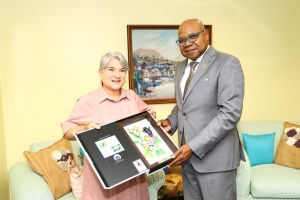
During a courtesy meeting with Panama’s Ambassador to Jamaica, H.E. Elida Alcedo de Arosemena, Jamaica’s Minister of Tourism, Hon. Edmund Bartlett, outlined an ambitious vision for a seamless multi-destination travel experience. Central to that vision is the creation of a common visa framework, enhanced airlift and closer policy coordination that would allow international visitors to move more freely between participating destinations.
For today’s traveller, the appeal is obvious. Rather than choosing a single destination, visitors are increasingly seeking journeys that combine several countries in one holiday. A more integrated Caribbean would make it possible to experience Jamaica’s iconic beaches, music and culture alongside Panama’s modern skyline, tropical rainforests, historic old quarter and world-famous canal, all within one carefully connected itinerary.
Improving regional air connectivity is a major priority. Discussions explored opportunities to strengthen flight links between Montego Bay, Kingston and Panama City, opening new travel corridors that would not only benefit international visitors but also encourage greater business travel and regional tourism throughout the Caribbean Basin.
The partnership extends well beyond visitor arrivals. Ambassador Alcedo de Arosemena expressed a strong interest in learning from Jamaica’s internationally recognised tourism model as Panama continues to strengthen the institutional leadership of its tourism sector following its elevation to ministerial representation.
Minister Bartlett offered to share Jamaica’s extensive experience in tourism legislation, governance, destination management, workforce development and institutional best practice, areas in which the island has earned an international reputation for innovation and leadership.
Developing tourism talent also featured prominently during the discussions. Both countries are keen to expand professional certification pathways that will equip tourism workers with internationally recognised qualifications, helping raise service standards while creating greater career opportunities across the region.
Resilience remains another cornerstone of the partnership. As destinations continue to navigate the challenges posed by climate change, natural disasters and global disruptions, Jamaica and Panama explored the establishment of a Global Tourism Resilience and Crisis Management Centre serving Central America.
The proposed centre would support research, crisis preparedness, training, capacity building and recovery planning, helping destinations respond more effectively to future challenges while strengthening the long-term sustainability of the visitor economy.


The renewed agreement also reinforces a wider vision championed by Minister Bartlett for multi-destination tourism throughout the Caribbean. By encouraging neighbouring countries to work together, share resources and improve connectivity, the region can offer visitors a richer and more diverse holiday experience while extending visitor stays, increasing tourism spending and delivering broader economic benefits.
As international travel continues to evolve, regional partnerships such as this are becoming increasingly important. Travellers are looking for flexibility, authentic experiences and the opportunity to explore multiple cultures during a single trip, while destinations are recognising that stronger collaboration can unlock growth that individual markets may struggle to achieve alone.
The meeting concluded with both Jamaica and Panama reaffirming their commitment to advancing practical cooperation across multi-destination tourism, workforce development, resilience and sustainable regional growth.
If realised, the initiatives discussed could mark another significant milestone in the evolution of Caribbean tourism, creating a more connected region where travelling between destinations is easier, tourism industries are stronger and visitors enjoy an even richer array of experiences.
Jamaica and Panama are taking decisive steps towards creating a more connected and resilient tourism landscape, reaffirming their commitment to revitalising their Multi-Destination Tourism Agreement in a move that could reshape regional travel across the Caribbean and Central America.

The renewed partnership reflects a growing recognition that collaboration, rather than competition, will drive the next phase of tourism growth, with both countries looking to improve visitor mobility, strengthen air connectivity and develop a more integrated regional tourism offering.
During a courtesy meeting with Panama’s Ambassador to Jamaica, H.E. Elida Alcedo de Arosemena, Jamaica’s Minister of Tourism, Hon. Edmund Bartlett, outlined an ambitious vision for a seamless multi-destination travel experience. Central to that vision is the creation of a common visa framework, enhanced airlift and closer policy coordination that would allow international visitors to move more freely between participating destinations.
For today’s traveller, the appeal is obvious. Rather than choosing a single destination, visitors are increasingly seeking journeys that combine several countries in one holiday. A more integrated Caribbean would make it possible to experience Jamaica’s iconic beaches, music and culture alongside Panama’s modern skyline, tropical rainforests, historic old quarter and world-famous canal, all within one carefully connected itinerary.
Improving regional air connectivity is a major priority. Discussions explored opportunities to strengthen flight links between Montego Bay, Kingston and Panama City, opening new travel corridors that would not only benefit international visitors but also encourage greater business travel and regional tourism throughout the Caribbean Basin.
The partnership extends well beyond visitor arrivals. Ambassador Alcedo de Arosemena expressed a strong interest in learning from Jamaica’s internationally recognised tourism model as Panama continues to strengthen the institutional leadership of its tourism sector following its elevation to ministerial representation.
Minister Bartlett offered to share Jamaica’s extensive experience in tourism legislation, governance, destination management, workforce development and institutional best practice, areas in which the island has earned an international reputation for innovation and leadership.
Developing tourism talent also featured prominently during the discussions. Both countries are keen to expand professional certification pathways that will equip tourism workers with internationally recognised qualifications, helping raise service standards while creating greater career opportunities across the region.
Resilience remains another cornerstone of the partnership. As destinations continue to navigate the challenges posed by climate change, natural disasters and global disruptions, Jamaica and Panama explored the establishment of a Global Tourism Resilience and Crisis Management Centre serving Central America.
The proposed centre would support research, crisis preparedness, training, capacity building and recovery planning, helping destinations respond more effectively to future challenges while strengthening the long-term sustainability of the visitor economy.
The renewed agreement also reinforces a wider vision championed by Minister Bartlett for multi-destination tourism throughout the Caribbean. By encouraging neighbouring countries to work together, share resources and improve connectivity, the region can offer visitors a richer and more diverse holiday experience while extending visitor stays, increasing tourism spending and delivering broader economic benefits.
As international travel continues to evolve, regional partnerships such as this are becoming increasingly important. Travellers are looking for flexibility, authentic experiences and the opportunity to explore multiple cultures during a single trip, while destinations are recognising that stronger collaboration can unlock growth that individual markets may struggle to achieve alone.
The meeting concluded with both Jamaica and Panama reaffirming their commitment to advancing practical cooperation across multi-destination tourism, workforce development, resilience and sustainable regional growth.
If realised, the initiatives discussed could mark another significant milestone in the evolution of Caribbean tourism, creating a more connected region where travelling between destinations is easier, tourism industries are stronger and visitors enjoy an even richer array of experiences.


For Jamaica and Panama, the renewed alliance is more than a diplomatic commitment—it is a shared investment in the future of regional tourism and a clear signal that the Caribbean’s greatest opportunities may lie in working together.