

Exploring Brazil beyond the tourist traps: a complete prep guide

While the iconic silhouette of Christ the Redeemer and the bustling sands of Copacabana define the international image of Brazil, a vast and diverse world awaits travelers willing to venture beyond these well-trodden paths. Exploring Brazil beyond the tourist traps means focusing on lesser-visited natural wonders, cultural enclaves, and authentic experiences that define the country’s true spirit. From the seasonally flooded plains of the Pantanal to the surreal white dunes of Lençóis Maranhenses, the “B-side” of Brazil offers immersive journeys into biodiversity and heritage. This guide helps you navigate these remote regions, prioritizing deep cultural connection and sustainable tourism over standard sightseeing.
Which hidden destinations offer the most authentic Brazilian experience?
Brazil offers a wealth of hidden destinations largely untouched by mass tourism.
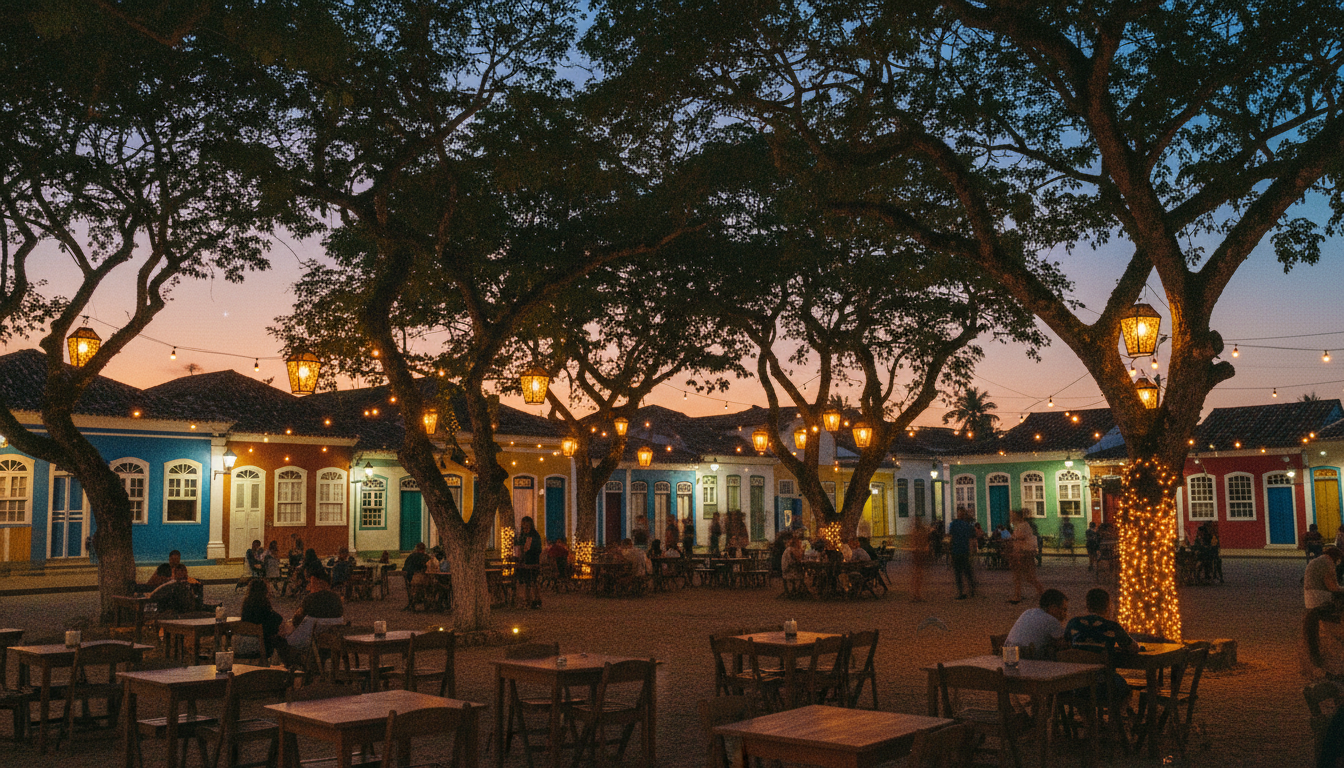
• Trancoso in Bahia stands out as a prime example, evolving from a simple fishing village into a bohemian-chic haven that retains its rustic charm. Its heart is the Quadrado, a grassy square framed by colorful colonial houses and a cliff-top church, where evenings are spent under lantern light.
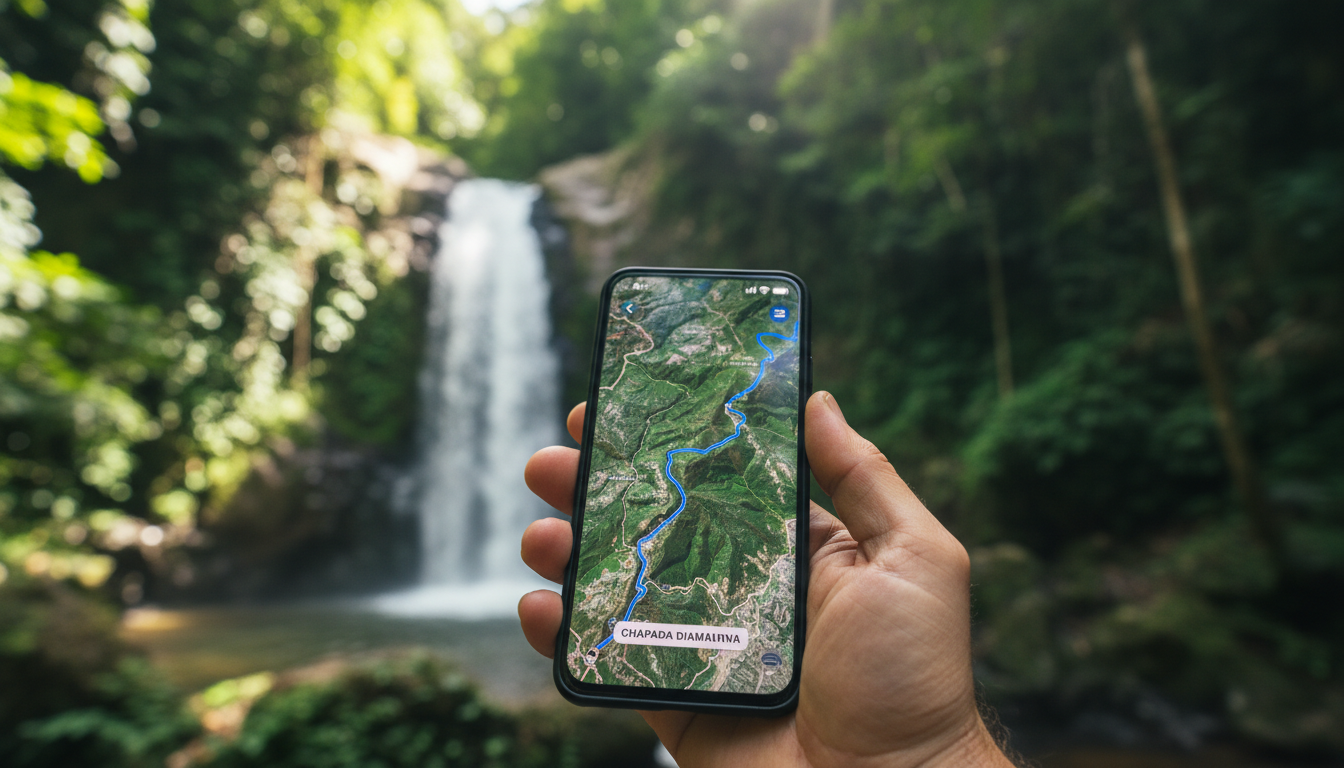
• Further inland, the Chapada Diamantina National Park offers a dramatic change of scenery with its table-top mountains, subterranean caves, and waterfalls, providing a paradise for hikers and nature enthusiasts.
• In the state of Tocantins, the Jalapão region presents a unique savanna landscape characterized by orange dunes and fervedouros—natural springs where the water pressure is so high that swimmers cannot sink.
• Additionally, coastal villages like Boicucanga and Borraceia on the São Paulo coast offer a quiet retreat with pristine beaches and opportunities for extended stays, allowing travelers to engage deeply with the local community away from the crowds of nearby Maresias.
Why is the Pantanal considered a top wildlife alternative to the Amazon?
While the Amazon Rainforest is famous for its biodiversity, the Pantanal is widely considered the premier destination for wildlife viewing in South America due to its geography. Unlike the Amazon, where the dense canopy often obscures animals from view, the Pantanal is a vast tropical wetland consisting largely of open savannas and marshes. This lack of dense vegetation provides unparalleled visibility, making it significantly easier to spot iconic species such as jaguars, giant anteaters, capybaras, and hyacinth macaws in their natural habitat.
Travelers can explore this region through various methods, including boat safaris along winding rivers, 4x4 tours across the plains, or traditional horseback rides led by local guides. The experience is often anchored by stays at ecological lodges or refined fazendas (ranches), where visitors can immerse themselves in the local “pantaneiro” culture, characterized by cattle herding traditions and a slower, more observational pace of life that is ideal for photographers and families.
What makes Lençóis Maranhenses a unique landscape to explore?
Lençóis Maranhenses National Park presents one of the most surreal and unique landscapes on Earth, defying the standard definition of a desert. Located in the state of Maranhão, this vast protected area is composed of sweeping white sand dunes that stretch for miles. Uniquely, a seasonal phenomenon transforms the dunes: during the rainy season, fresh rainwater collects in the valleys, forming thousands of crystal-clear turquoise and emerald lagoons. Exploring this environment is a sensory experience that contrasts the heat of the sun-baked sand with the cool, refreshing waters of the lagoons.
Access to this remote wonder is typically via the town of Barreirinhas or the quieter village of Atins. Visitors can traverse the dunes in 4x4 vehicles, take sunset walks, or swim in the rain-fed pools. The park’s ecosystem is also dynamic; the lagoons are at their fullest from June to August, after which they slowly evaporate, making timing a crucial element of the visit.
How can travelers immerse themselves in local culture?
Cultural immersion in Brazil requires active participation in the traditions that shape the nation’s identity, particularly those with Afro-Brazilian and indigenous roots. In Bahia, travelers can engage with the history of resistance and resilience by visiting Candomblé terreiros to understand the spiritual heritage brought from West Africa, or by joining a capoeira roda to experience the martial art that blends dance, music, and acrobatics. Culinary experiences offer another deep dive into local culture; cooking classes that teach the preparation of moqueca baiana (a coconut milk-based fish stew) or Amazonian dishes utilizing ingredients like tucupi and jambu provide insight into regional flavors.
In the Amazon, visiting riverine caboclo communities allows travelers to learn about sustainable living, such as açaí harvesting and the creation of floating gardens. Furthermore, exploring the musical landscape—from the samba circles of Rio’s Pedra do Sal to the forró and reggae rhythms of the northeast—connects visitors with the beating heart of Brazilian social life.
Which itineraries work best for an off-the-beaten-path trip?
Crafting an off-the-beaten-path itinerary in Brazil requires balancing travel time with depth of experience.
• A popular and diverse route involves combining the wildlife of the Pantanal with the urban depth of Rio de Janeiro over 10 to 12 days, allowing for a mix of nature safaris and cultural exploration in neighborhoods like Santa Teresa.
• For those prioritizing landscapes, a 9 to 11-day itinerary pairing the dunes of Lençóis Maranhenses with the beaches of Trancoso offers a stunning contrast between the stark white sands of the north and the lush, palm-fringed coast of Bahia.
• Travelers seeking deep nature immersion might opt for a dual-ecosystem trip covering both the Amazon and the Pantanal, highlighting the differences between the rainforest and the wetlands.
• For a grand circuit, a two-week journey connecting Rio, the Pantanal, and the Amazon provides a comprehensive overview of Brazil’s biodiversity.
• Alternatively, a three-week road trip along the Northeast loop—stopping in Olinda, São Luís, and Jericoacoara—is ideal for adventurous photographers looking for hidden gems.
How do you stay connected while exploring remote regions?
Staying connected while traversing the remote landscapes of Brazil, such as the Pantanal wetlands or the Amazon river basin, poses challenges due to limited infrastructure. While major cities have robust networks, signal strength can drop significantly in rural areas, making a reliable connection essential for navigation and safety. Modern travelers are increasingly turning to digital solutions to ensure they have internet access the moment they land.
Choosing the best eSIM for Brazil allows visitors to bypass the complexity of purchasing local physical SIM cards, which often requires a CPF number (Brazilian tax ID) and Portuguese language skills. Innovative providers like Amigo eSIM have streamlined this process, enabling users to download and activate a data plan instantly via QR code, ensuring that even in off-grid locations with faint signals, you have the best possible chance of connecting to local networks without exorbitant roaming fees.
When is the ideal time to plan your adventure?
The success of a trip to Brazil’s remote regions depends on seasonality, as weather patterns dictate accessibility and the quality of the experience. For Lençóis Maranhenses, the window of opportunity is relatively narrow; the ideal time to visit is between June and August, immediately following the rainy season when the lagoons are full and the sun is shining. By late year, many lagoons dry up, significantly altering the landscape.

Conversely, wildlife viewing in the Pantanal and the Amazon is best during the dry season, roughly from May to September. During these months, receding water levels force animals to congregate around remaining water sources, making them much easier to spot. The rainy season, while lush, can make unpaved roads in places like Jalapão or Chapada Diamantina impassable. Therefore, planning around these climatic nuances is essential for ensuring that the specific activities you desire are actually feasible.
What are the essential items for a safe and smooth journey?
Packing for an adventure in Brazil’s diverse ecosystems requires protection and practicality.
• High-quality, reef-safe sunscreen is non-negotiable, given the intense tropical sun, alongside strong insect repellent containing DEET or Icaridin to ward off mosquitoes in wetland and forest areas.
• Clothing should be lightweight, breathable, and quick-drying, with long sleeves and pants recommended for jungle treks to protect against insects and scratches.
• Beyond physical gear, digital preparedness is increasingly vital for the modern explorer. Many savvy tourists now rely on international travel eSIMs to maintain a lifeline to maps, translation apps, and emergency services without the bulk or risk of losing tiny physical cards.
• Additionally, carrying a universal power adapter and a robust power bank is crucial, as electricity can be sporadic in remote eco-lodges or during long transits between destinations.