

Tam Chuc Complex: Vietnam’s Serene Oasis of Spirituality and Natural Beauty

Nestled in the heart of Vietnam, the Tam Chuc Complex is a mesmerizing destination that seamlessly blends spirituality, natural beauty, and cultural richness. Located in the Ha Nam Province, roughly 60 kilometers from Hanoi, this sprawling complex is renowned for its stunning landscapes, serene lakes, and sacred temples.
Over the years, Tam Chuc has emerged as a tranquil retreat for pilgrims, tourists, and nature enthusiasts alike. In this article, we’ll delve into the various facets of this remarkable destination, exploring its history, significance, and the experiences it offers to visitors.
The History and Significance
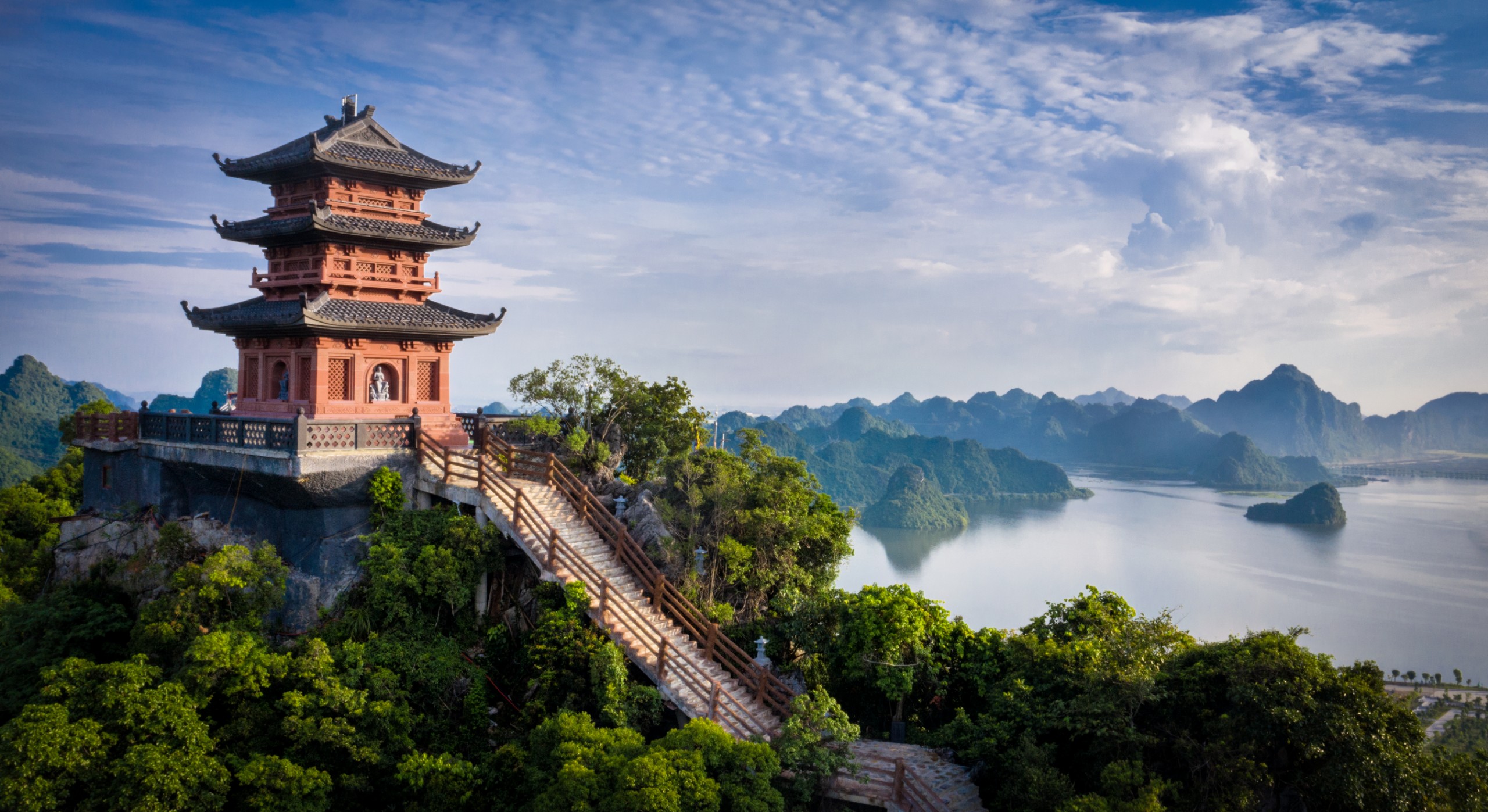
Tam Chuc’s history dates back to the Ly Dynasty, which ruled Vietnam from the 11th to the 13th century. It was originally known as “Tam The” and was a revered pilgrimage site. However, the complex fell into disrepair over the centuries, and its true potential as a spiritual and natural haven remained untapped.
ADVERTISEMENT
In recent years, Tam Chuc has been revitalized and transformed into a significant pilgrimage site and cultural center, largely due to the efforts of the Vietnamese government. The complex gained global recognition when it hosted the United Nations Day of Vesak Celebrations in 2019, drawing thousands of Buddhist leaders and followers from around the world.
Key Attractions
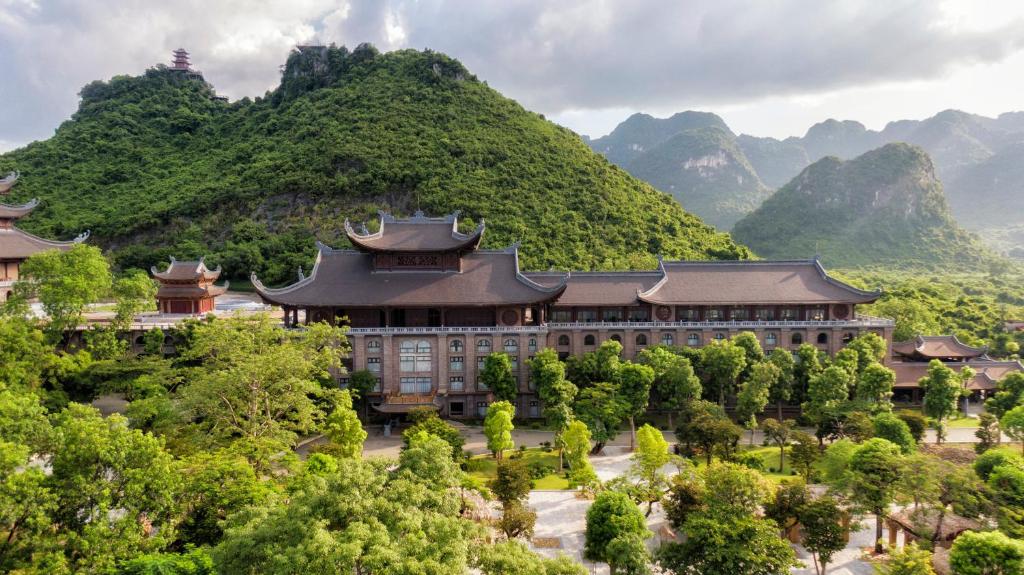
Tam Chuc Pagoda: At the heart of the complex stands the Tam Chuc Pagoda, a magnificent structure that reflects Vietnamese Buddhist architecture at its finest. The pagoda is adorned with intricate carvings and surrounded by lush gardens, creating a serene atmosphere perfect for meditation and contemplation.
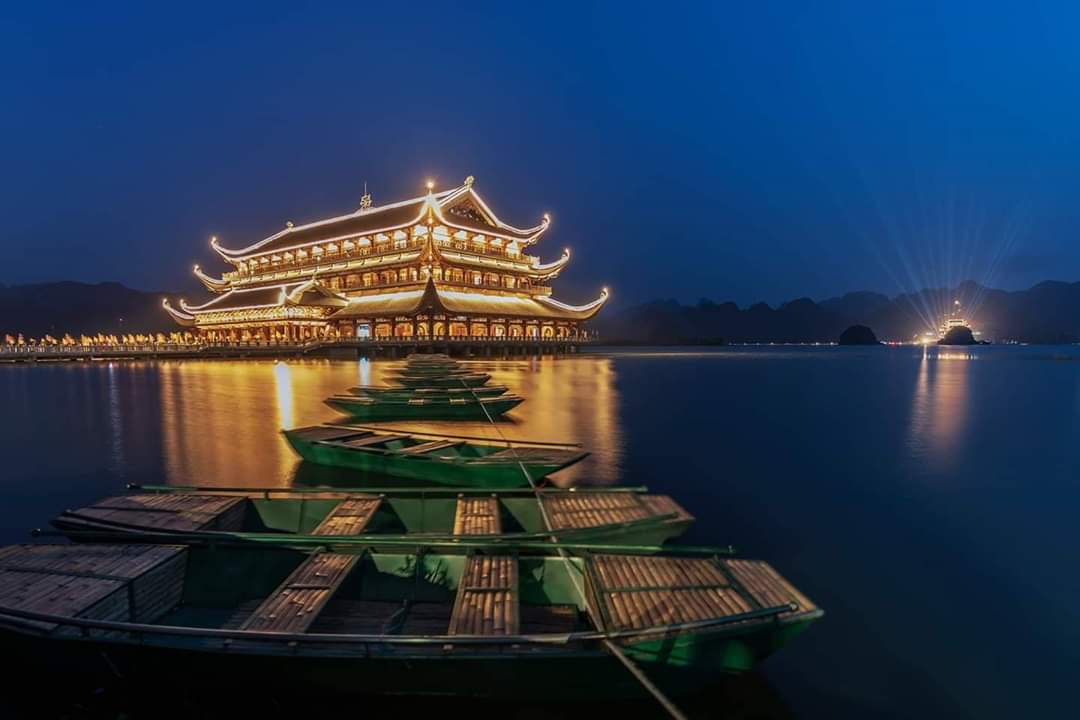
Tam Chuc Lake: One of the most striking features of the complex is the immense Tam Chuc Lake, which spans over 500 hectares. The lake is encircled by rolling hills and limestone karsts, creating a picturesque backdrop for visitors. It is an ideal place for boat rides, providing an opportunity to soak in the natural beauty and tranquility of the surroundings.
Bai Dinh Pagoda: Located nearby, Bai Dinh Pagoda is another religious landmark worth visiting. It is the largest pagoda complex in Southeast Asia, boasting a stunning array of statues, shrines, and temples spread across the hillside.
The Great Hall of Prayers: Tam Chuc is home to the Great Hall of Prayers, a vast space capable of accommodating tens of thousands of devotees during major religious events and ceremonies. The sheer size and grandeur of this hall make it a unique architectural marvel.
Experiences at Tam Chuc Complex
Spiritual Retreat: Many visitors come to Tam Chuc to seek spiritual solace and enlightenment. The tranquil ambiance, combined with the sacred sites, makes it an ideal place for meditation and self-reflection.
Boat Tours: Exploring the expansive Tam Chuc Lake by boat is a popular activity. It offers a chance to connect with nature, enjoy the fresh air, and admire the stunning vistas.
Cultural Immersion: Tam Chuc provides opportunities to learn about Vietnamese culture and Buddhism. Visitors can witness religious ceremonies, interact with monks, and gain insight into the local way of life.
Ecotourism: The surrounding natural landscapes, including limestone karsts, caves, and lush forests, beckon nature lovers and adventurers. Hiking, bird-watching, and exploring the caves are among the activities that bring visitors closer to nature.
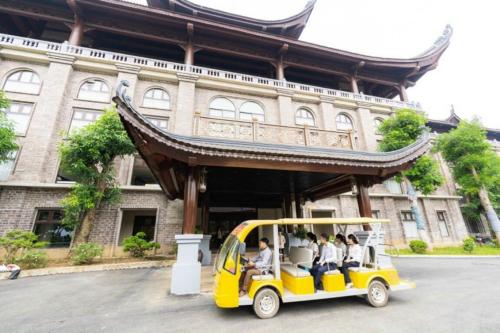
Tam Chuc Complex is a gem in Vietnam’s crown, a place where spirituality, natural beauty, and culture converge harmoniously and just this week was the winner of the World Travel Awards for Asia’s leading Tourist Attraction at the Asia and Oceania Gala Ceremony. Whether you seek spiritual enlightenment, wish to explore the wonders of nature, or simply want to immerse yourself in Vietnamese culture, Tam Chuc offers an unforgettable experience. As this remarkable destination continues to gain recognition on the global stage, it remains a testament to Vietnam’s rich heritage and its commitment to preserving its traditions and natural beauty.