

Race for UN Tourism Secretary-General Heats Up Ahead of May Vote

The global tourism sector is poised for a pivotal leadership transition as five candidates vie for the position of Secretary-General of UN Tourism, the rebranded United Nations World Tourism Organization (UNWTO). With incumbent Zurab Pololikashvili no longer in the running, the field is open for new leadership to guide the organization from 2026 to 2029. The Executive Council will convene in Madrid on May 29–30 to recommend a candidate, with the final appointment to be confirmed at the General Assembly in Riyadh this November.
The Candidates
Gloria Guevara (Mexico)
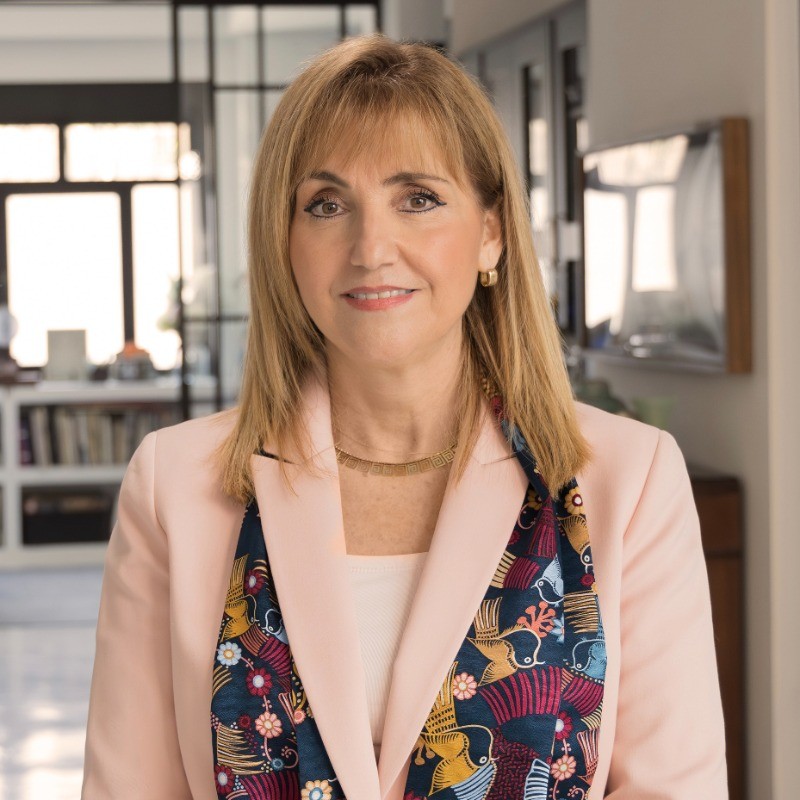
A seasoned tourism executive, Guevara served as Mexico’s Secretary of Tourism and later as President & CEO of the World Travel & Tourism Council (WTTC). Her manifesto emphasizes restoring UN Tourism’s credibility and influence, focusing on sustainable development, job creation, and strengthening the organization’s role in global tourism policy. Guevara has garnered support from notable figures, including former Senegalese tourism leader Mouhamed Fauzou Deme, who has joined her campaign and is poised to become UN Tourism Director for Africa if she succeeds. More information https://gloriaguevara.com
ADVERTISEMENT
Harry Theoharis (Greece)
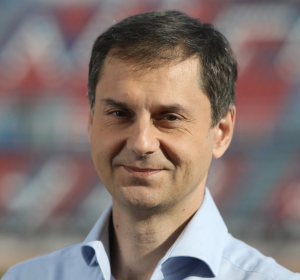
A former Greek Minister of Tourism and Deputy Finance Minister, Theoharis advocates for expanding UN Tourism’s membership to include countries like the United States, the United Kingdom, Australia, and New Zealand. His platform focuses on enhancing sustainable tourism policies, fostering cooperation among member states, and promoting digitalization and innovation as tools to address sector challenges. More information https://www.htheoharis.gr
Muhammad Adam (Ghana)
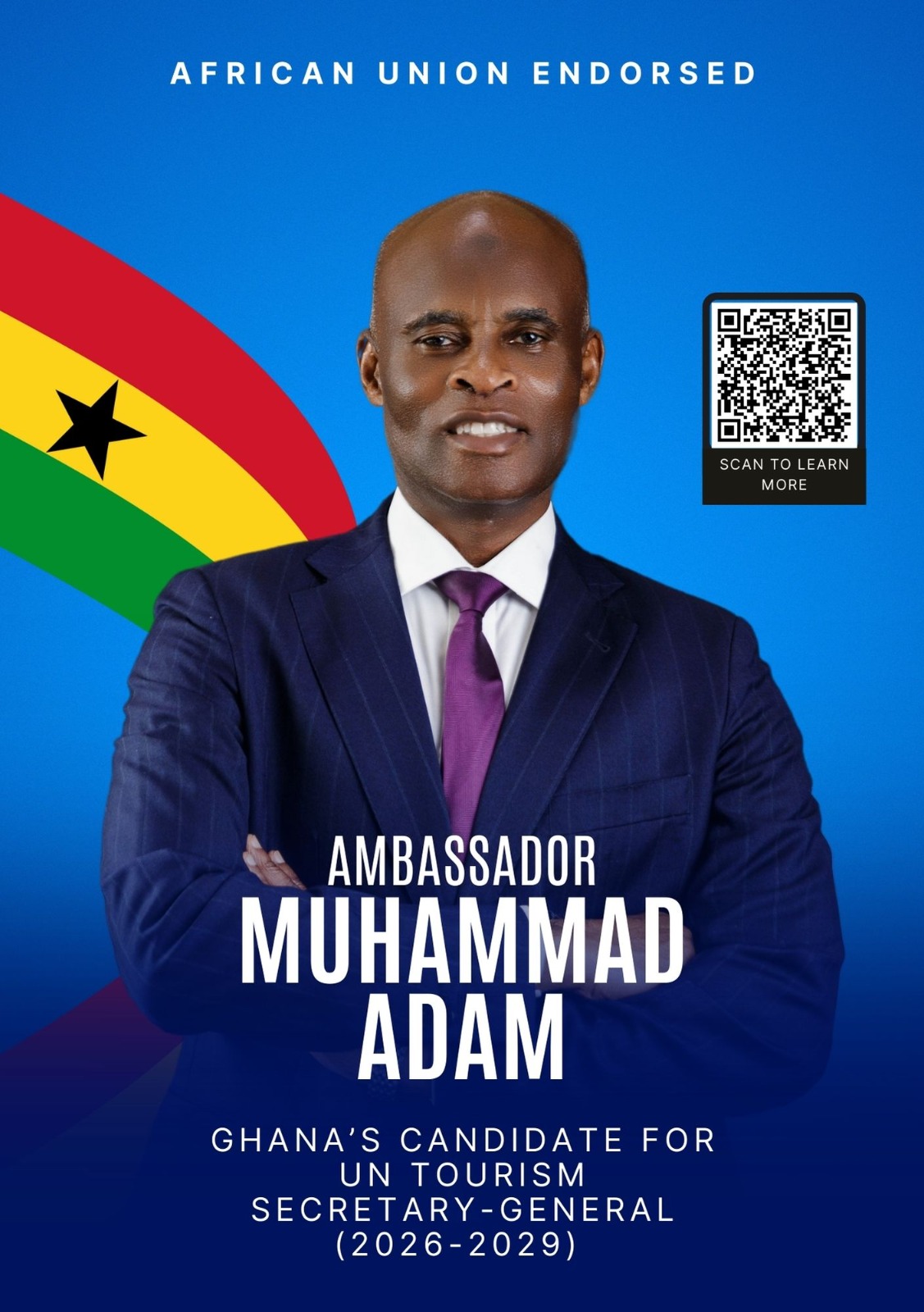
A career diplomat, Adam has served as Ghana’s ambassador to Spain and consul general in Jeddah. While his specific vision for UN Tourism has not been widely publicized, Ghana’s strong backing suggests a campaign centered on amplifying Africa’s tourism potential on the global stage.
https://drive.google.com/file/d/1uEgPEtBrWUBcrjpjVSh9gpwxVIBajsCJ/view
Shaikha Al Nowais (United Arab Emirates)
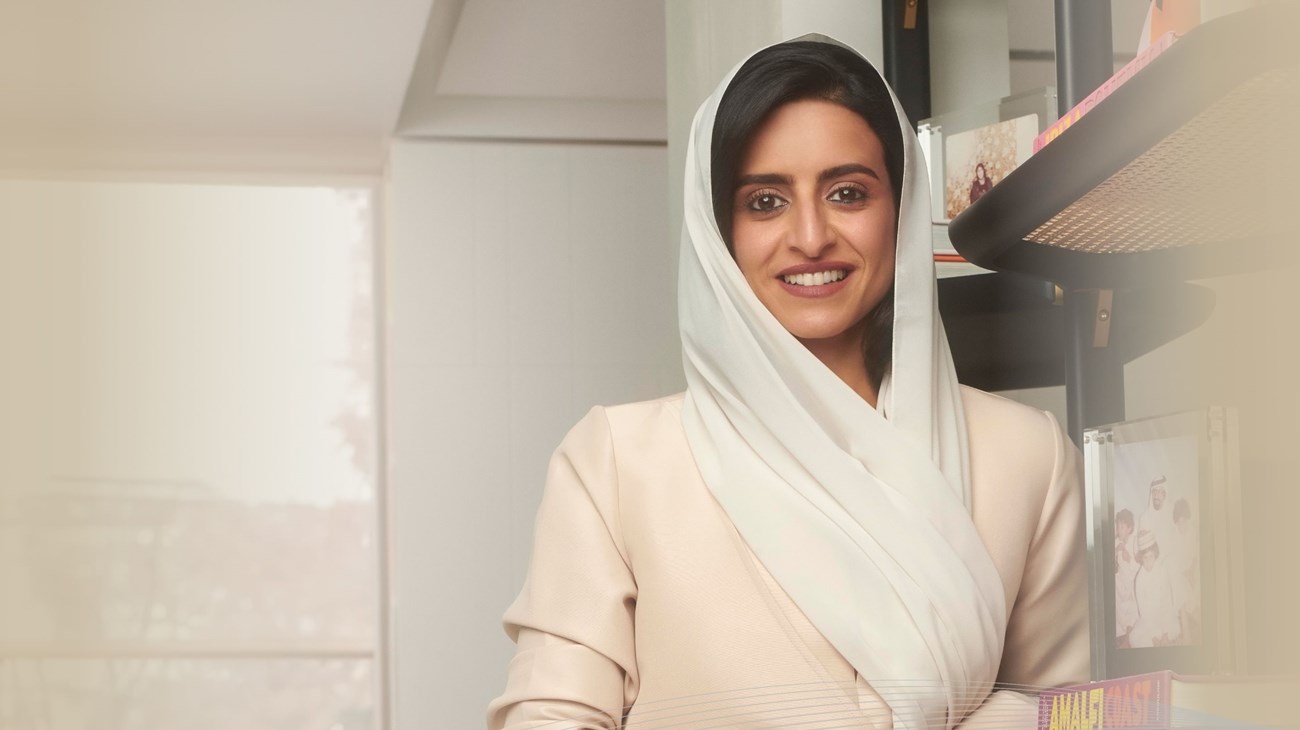
Currently the Director of Internal Audit at Rotana Management Corporation PJSC, Al Nowais brings a business and audit background to the race. Her financial acumen could introduce a focus on investment and accountability within UN Tourism’s strategy, despite limited direct experience in tourism. More information https://shaikhanasser.comUN
Habib Ammar (Tunisia)
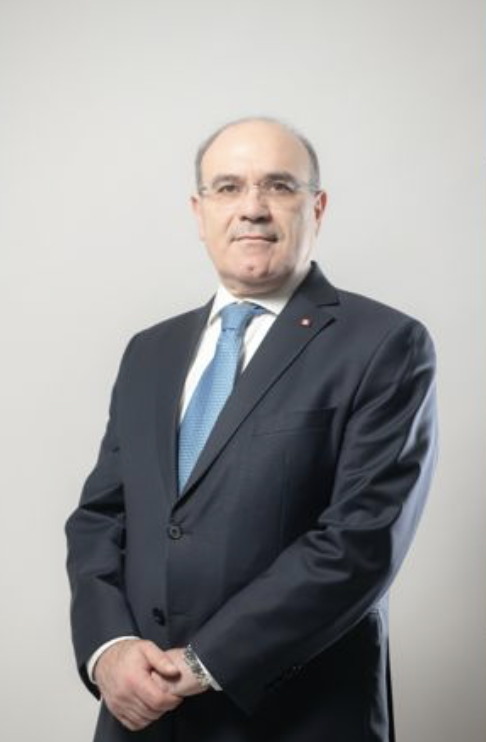
A tourism expert instrumental in developing Tunisia’s travel industry, Ammar’s campaign is expected to concentrate on sustainable tourism growth, increased cooperation among African and Mediterranean countries, and driving digital innovation in the industry. More information https://fr.linkedin.com/posts/habib-ammar-17585125a_untourism-tunisie-candidature-activity-7317477241888624641-X71K
Voting Process and Selection Committee
The selection process begins with the Executive Council’s recommendation, requiring a simple majority vote (50% plus one of valid ballots cast) during a private session. If no candidate achieves this in the first ballot, subsequent ballots are held between the top candidates until a majority is reached.
The Executive Council comprises 35 member states, with the following regional representation:
Africa
Cabo Verde, Democratic Republic of Congo, Ghana, Morocco, Mozambique, Namibia, Nigeria, Rwanda, South Africa, Tanzania, Zambia
Europe
Bulgaria, Croatia, Czech Republic, Greece, Italy, Lithuania, Spain, Armenia, Azerbaijan, Georgia
Middle East
Bahrain, Iran, Saudi Arabia, United Arab Emirates
Asia and the Pacific
China, India, Indonesia, Japan, Republic of Korea
Americas and Caribbean
Argentina, Brazil, Colombia, Dominican Republic, Jamaica
Current Perspectives on the Likely Winner
With the incumbent no longer in the race, the field is open, and regional dynamics will play a significant role in the election outcome. Africa’s substantial representation on the Executive Council positions its candidates, particularly Muhammad Adam and Habib Ammar, as strong contenders. However, the presence of two African candidates could split the continent’s vote, potentially benefiting candidates from other regions.
Gloria Guevara’s extensive experience and international support, including endorsements from African tourism leaders, bolster her candidacy. Harry Theoharis’s proposal to expand UN Tourism’s membership could appeal to countries seeking broader representation.
As the election approaches, candidates are intensifying their campaigns, seeking to build coalitions and secure the necessary majority within the Executive Council. The outcome will significantly influence the direction of global tourism policy in the coming years.
BY Justin Cooke