

How Travel Professionals Are Capturing Authentic Moments in the Field
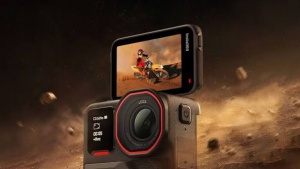
The travel industry has undergone a profound shift in how it documents and shares experiences. From luxury resort openings to adventure tour launches, the ability to capture compelling visual content has become essential to how travel brands communicate with audiences. Whether it’s showcasing a new destination, highlighting hospitality innovations, or building authentic connections with travelers, the quality and authenticity of visual storytelling now directly impacts how travel companies engage with their markets.
For travel professionals, content creation has moved beyond traditional marketing photography. Tour operators, hospitality managers, and travel brands are increasingly expected to produce dynamic, real-time documentation of their offerings. This shift reflects broader changes in how travelers consume information and make decisions. The demand for authentic, behind-the-scenes content has created new expectations for travel industry professionals to be storytellers themselves. Tools like action cameras have made it easier for non-specialists to produce professional-quality footage in challenging environments, but the broader landscape of visual content creation in travel extends far beyond any single tool or technology.
The Rise of Authentic Visual Storytelling in Travel
Travel brands have discovered that audiences respond more authentically to real, unpolished moments than to heavily produced marketing materials. A guest capturing sunrise from a mountain lodge, a cruise passenger experiencing an onboard activity, or a tour guide navigating a challenging terrain all represent genuine moments that resonate with potential travelers. This shift has democratized content creation within the travel industry, moving responsibility for documentation beyond dedicated marketing teams.
The implications are significant. Travel professionals now need to think like content creators, even if content production isn’t their primary role. Hotel managers document guest experiences. Tour operators capture journey highlights. Travel agents showcase destination features. This evolution reflects a fundamental change in how the travel industry communicates value and builds trust with consumers who increasingly expect to see authentic, real-world perspectives before making travel decisions.
Practical Considerations for Travel Professionals Creating Content
Creating quality visual content while managing day-to-day travel operations presents real challenges. Travel professionals often work in unpredictable environments, from bustling airports to remote destinations, where traditional filming equipment becomes impractical. Weather, lighting, movement, and accessibility all complicate content creation in ways that office-based professionals rarely encounter.
Portability has become a critical factor. Travel professionals need equipment that doesn’t add significant weight to their workday, can be operated quickly without extensive setup, and performs reliably in varied conditions. A hotel manager documenting a new wellness facility needs something that fits in a pocket. A tour guide capturing landscape footage while leading a group needs hands-free operation. A travel agent showcasing a destination needs stabilization that works while moving through unfamiliar terrain.
The technical learning curve also matters. Travel professionals typically have limited time for equipment training. They need solutions that work intuitively, with minimal configuration required. The ability to capture, edit, and share content directly from a smartphone or simple interface has become increasingly important as travel companies expect faster content turnaround.
How Content Creation Supports Travel Industry Goals
Visual content serves multiple strategic purposes within the travel industry. For hospitality properties, authentic documentation of guest experiences builds social proof and influences booking decisions. For tour operators, real footage of activities and destinations helps set accurate expectations and reduces booking hesitation. For travel agencies, quality destination imagery strengthens their ability to inspire clients and differentiate their services.
Beyond marketing, content creation also supports operational communication. Travel companies use video documentation for staff training, safety demonstrations, and process improvement. A hotel might document housekeeping procedures or emergency protocols. A tour operator might record guide training or activity setup. This internal use of visual documentation helps standardize practices and improve consistency across locations.
The speed of content distribution has also changed expectations. Travel professionals are expected to share updates in real time or near-real time. A new resort opening, a seasonal activity launch, or an unexpected travel disruption all benefit from immediate visual documentation. This immediacy requires tools and workflows that don’t slow down daily operations.
Balancing Quality with Practicality
Travel professionals face a constant tension between content quality and operational reality. Ideal circumstances for filming rarely align with the demands of running a travel business. A resort manager might want to document a sunset from the beachfront, but guest service obligations take priority. A tour guide might want to capture perfect footage of a landmark, but the group needs to maintain schedule.
This reality has shaped how the travel industry approaches content creation. Rather than pursuing perfection, many travel professionals now embrace the authenticity that comes from real, unpolished documentation. Slightly shaky footage from a moving tour bus, natural lighting in a busy hotel lobby, or quick clips captured between guest interactions often resonate more powerfully than highly produced alternatives.
The equipment choices travel professionals make reflect these practical constraints. Durability matters because travel environments are harsh. Water resistance matters because weather is unpredictable. Battery life matters because charging opportunities are limited. Ease of use matters because time is precious. These practical requirements often outweigh purely technical specifications.
The Evolving Skill Set for Travel Industry Professionals
As visual content creation becomes increasingly central to travel industry work, the skill set expected of travel professionals continues to expand. Hotel managers now need basic video literacy. Tour guides benefit from understanding composition and framing. Travel agents increasingly need to know how to source, edit, and present visual content effectively.
This evolution doesn’t necessarily mean travel professionals need to become videographers or photographers. Rather, it means developing enough competency to capture usable content, make basic editing decisions, and understand what works for their audience. Many travel companies are investing in training to help staff develop these capabilities, recognizing that content creation is now part of the job.
The good news is that modern tools have made this transition more accessible. Smartphone apps now offer editing capabilities that rival desktop software. Cloud storage makes collaboration easier. Social media platforms provide clear guidelines about what content performs well. Travel professionals can develop practical content skills without extensive formal training.
Looking Forward
The travel industry’s relationship with visual content creation will continue to evolve. As travelers increasingly expect authentic, real-time documentation, travel professionals will need to integrate content creation more seamlessly into their daily work. The tools and workflows that support this integration will become increasingly important.
For travel companies, this means investing in both technology and training. It means creating workflows that make content creation practical rather than burdensome. It means recognizing that the best travel content often comes from people who understand the destination or property deeply, not from external specialists parachuting in for a shoot.
The democratization of content creation represents an opportunity for the travel industry to tell more authentic, diverse stories about the experiences it offers. When travel professionals themselves become storytellers, the narratives that emerge tend to be richer and more genuine than those produced through traditional marketing channels.
Conclusion
Visual content creation has become an integral part of how the travel industry operates and communicates. Travel professionals at all levels now need to think about documentation, authenticity, and storytelling as part of their core responsibilities. The practical challenges of creating content in travel environments are real, but so are the opportunities to build deeper connections with audiences through authentic visual narratives. As the industry continues to evolve, the ability to capture and share genuine moments will remain central to how travel brands build trust, inspire travelers, and differentiate themselves in an increasingly competitive marketplace.