

Yerevan Finds Its Moment
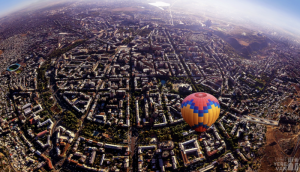
Infrastructure, confidence and a global debut at ITB Berlin
Yerevan has always known who it is. One of the world’s oldest continuously inhabited cities, Armenia’s capital wears its history lightly—etched into pink tuff stone, echoed in courtyard conversations, and poured generously into glasses of local wine. What is changing now is not the city’s character, but its readiness. Yerevan is quietly, steadily upgrading the foundations of tourism, and this week, at ITB Berlin, it is presenting itself with a new sense of purpose to the global travel industry.
A capital preparing for the world
Over the past few years, tourism has moved from the margins of policy discussions to the centre of Armenia’s economic vision, and Yerevan is feeling the effects first. As the country’s main gateway, the city has become the testing ground for improved connectivity, services and visitor infrastructure. Roads, public spaces and transport links are being refined not to overwhelm the city with spectacle, but to make it easier to navigate, more comfortable to stay in, and more intuitive for international visitors.
This is not a story of rapid overdevelopment. Instead, Yerevan’s evolution feels measured. New hotels and renovated heritage properties are appearing alongside long‑established family‑run guesthouses. International brands coexist with independent boutiques that reflect the city’s design‑forward, creative streak. The aim is balance: modern standards without flattening local identity.
The experience beyond the monuments
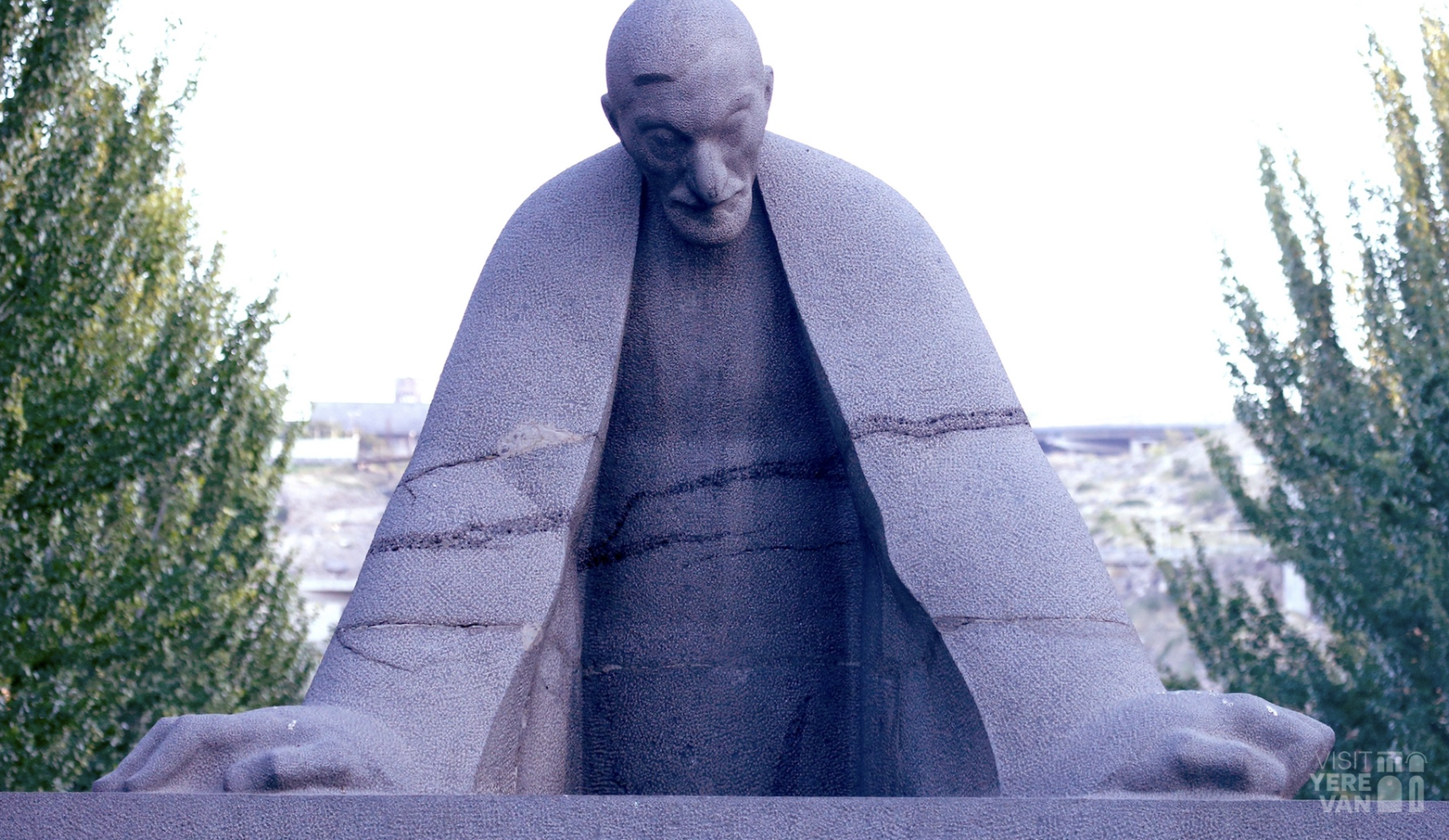
What makes Yerevan increasingly compelling as a destination is how infrastructure improvements support everyday experiences rather than replacing them. A walk from Republic Square to the Cascade now feels smoother and more coherent, with cafés, galleries and shaded terraces forming a natural rhythm along the way. The city’s famous café culture—already one of its great pleasures—benefits from better pedestrian flow, extended outdoor seating and a growing confidence in welcoming visitors who may be discovering Armenia for the first time.
Cultural infrastructure has followed a similar path. Museums, performance venues and creative spaces are being rethought not as static attractions, but as living parts of the city. Exhibitions, festivals and pop‑up events increasingly blur the line between resident and visitor, inviting travellers into Yerevan’s contemporary cultural life rather than keeping them at arm’s length.
A hub for a wider journey
Yerevan’s tourism development is also inseparable from what lies beyond it. The capital is positioning itself as a hub—a place to linger, but also a launch point for exploring the rest of the country. Improved urban services, professional training in hospitality, and clearer visitor information all contribute to smoother onward travel to wine regions, mountain trails, spa towns and historic monasteries.
For travellers, this means less friction and more freedom. For the city, it means longer stays and deeper engagement. Yerevan is no longer just a stopover between sights; it is increasingly part of the story itself.
ADVERTISEMENT
ITB Berlin: a confident introduction
That story is being told this week in Berlin. ITB Berlin, the world’s largest travel trade show, is where destinations define how they wish to be seen—not just by tourists, but by airlines, tour operators, investors and media. Armenia’s presence at the show places Yerevan firmly in that conversation, not as an exotic curiosity, but as a capital city with a clear, contemporary tourism proposition.
The messaging is deliberate. Rather than leaning solely on ancient history, Armenia is highlighting how heritage, urban life, gastronomy, nature and wellness fit together into a year‑round offer. Yerevan appears as the connective tissue: a lively, creative city where centuries‑old traditions meet modern cafés, design hotels and a growing cultural scene.
For industry professionals walking the halls of ITB, this matters. It signals readiness—operationally, creatively and strategically. It says that Yerevan is not just beautiful, but prepared to host, to collaborate and to grow sustainably.
Tourism with restraint and intent
What sets Yerevan’s current moment apart is restraint. There is little sense of chasing mass tourism or competing on volume. Instead, the city seems to be aligning itself with travellers who value depth over speed: those who want conversations, cuisine, music, walks and time.
This approach is reflected in how infrastructure is being framed. Investments emphasise quality of life as much as visitor numbers. Streets are improved for residents first, knowing that travellers will follow. Skills training strengthens local businesses rather than replacing them. Tourism becomes an extension of urban life, not an interruption to it.
A city stepping forward
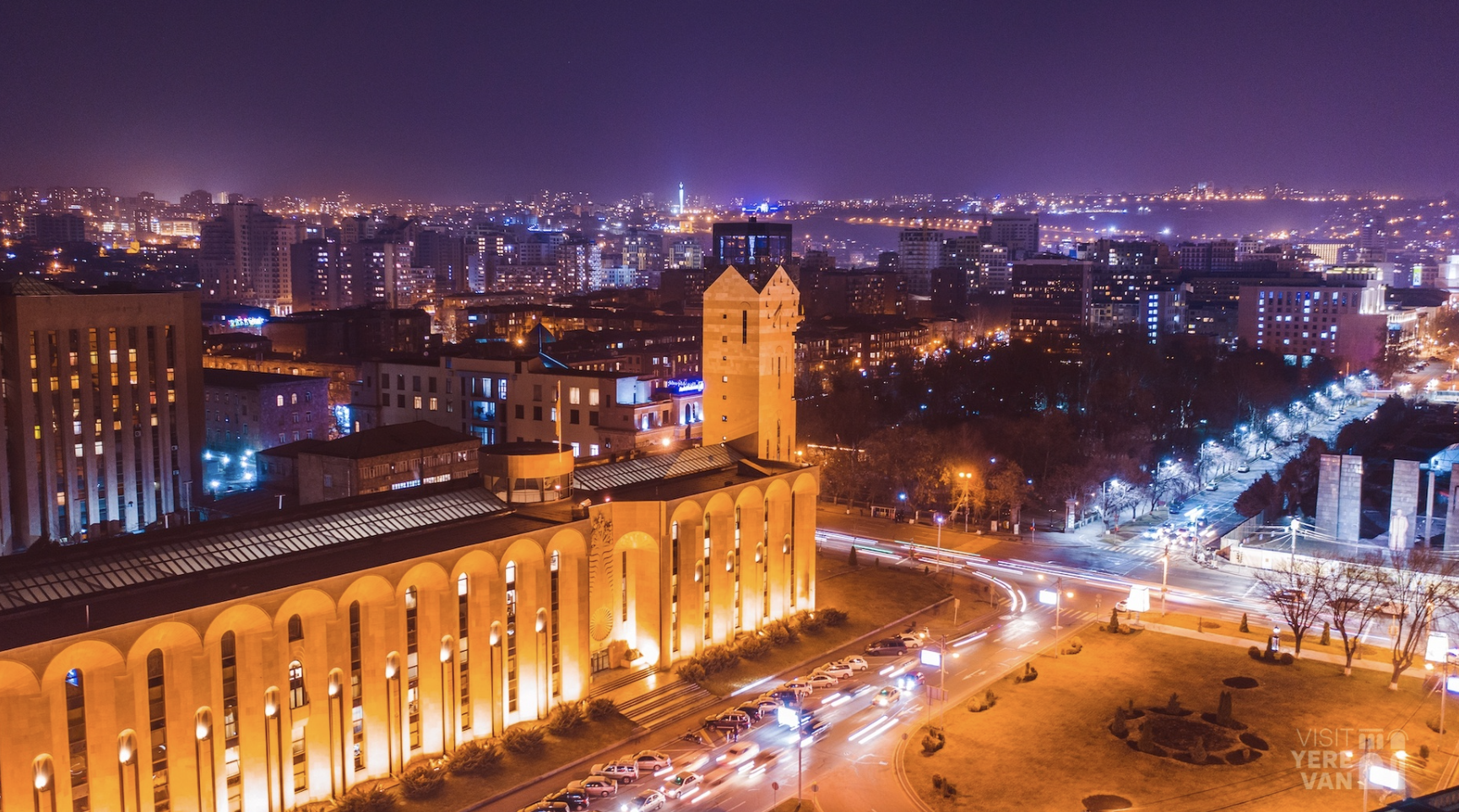
At ITB Berlin this week, Yerevan is not reinventing itself. It is simply stepping forward—clear‑eyed, well‑prepared and increasingly self‑assured. For a city that has spent centuries at the crossroads of empires, trade routes and cultures, this feels like a natural progression.
The invitation it extends is subtle but compelling: come not just to see Armenia, but to start feeling it here. In cafés that spill onto wide pavements. In galleries tucked behind stone façades. In conversations that last longer than planned. Yerevan is ready—and it knows it.
For more information visit https://visityerevan.am/en/