

Abu Dhabi Comes of Age

Abu Dhabi’s tourism story has always been about intention rather than acceleration. Where some destinations chase headlines, the UAE’s capital has focused on foundations—carefully planned infrastructure, long‑term cultural investment and a visitor experience designed to mature over time. Today, that approach is delivering results. Abu Dhabi’s tourism success is increasingly visible on the ground and, this week, clearly articulated on the global stage at ITB Berlin.
Building for longevity, not novelty
Much of Abu Dhabi’s recent tourism momentum can be traced to a wave of infrastructure projects that prioritise flow, capacity and experience. The city’s aviation gateway has been transformed, with a new generation terminal redefining arrival into the emirate. Spacious, architecturally striking and designed for high passenger volumes, it positions Abu Dhabi as a seamless hub for both regional and long‑haul travellers—crucial for a destination aiming to grow international arrivals while maintaining comfort and efficiency.
On land, continued investment in road networks and urban transport has made movement across the city easier and more intuitive. Cultural districts, waterfronts, residential neighbourhoods and entertainment zones are now better connected, allowing visitors to experience Abu Dhabi as a coherent whole rather than a collection of isolated attractions.
Saadiyat, Yas and the rise of destination districts
Few places illustrate Abu Dhabi’s infrastructure‑led tourism strategy better than its destination districts. Saadiyat Island continues to evolve into a global cultural centre, where landmark museums, beaches and low‑rise resorts sit within a carefully curated landscape. Ongoing construction and upcoming openings reinforce the island’s role as a cornerstone of cultural tourism, extending Abu Dhabi’s appeal far beyond sun‑and‑sea travel.
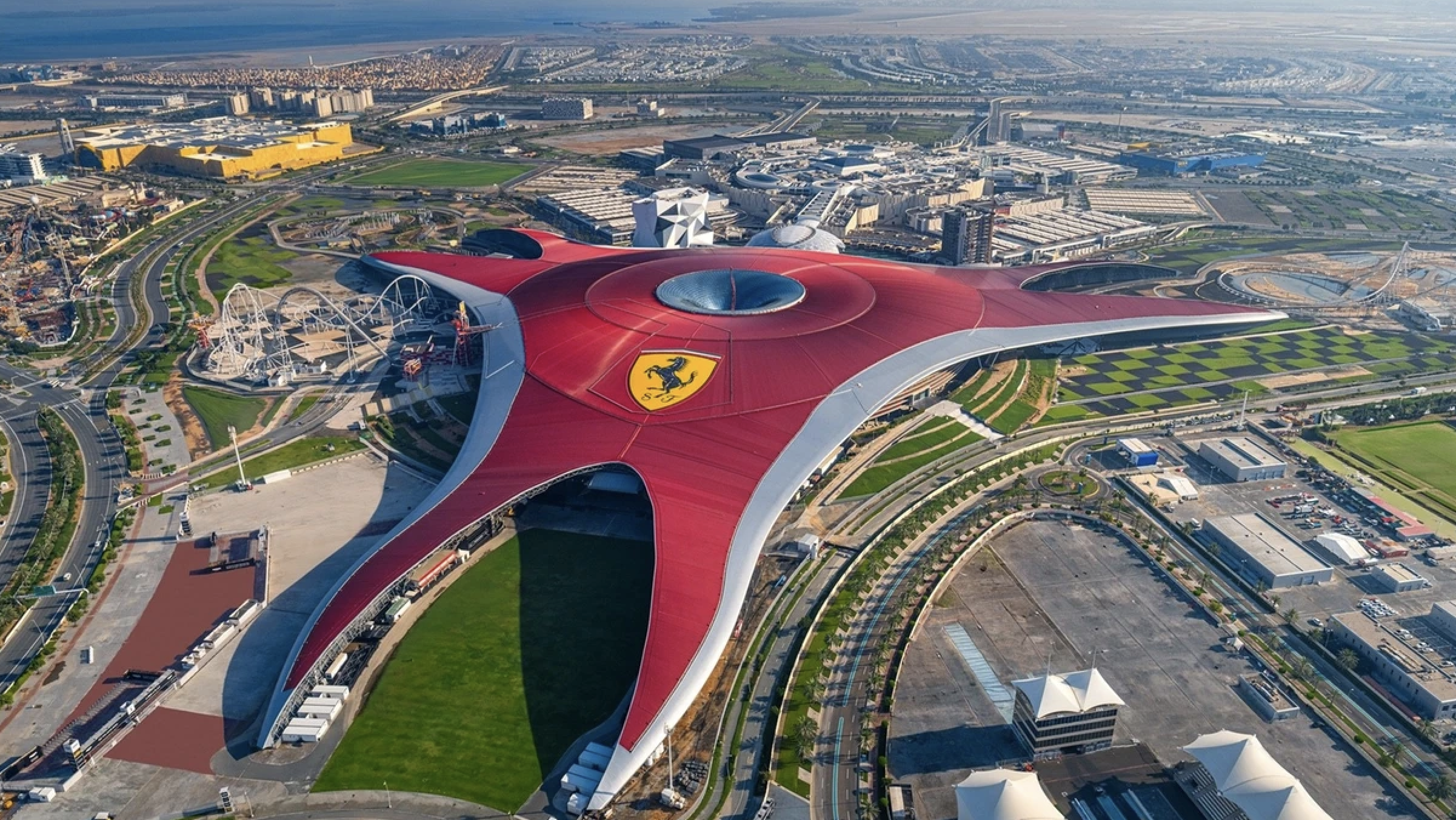
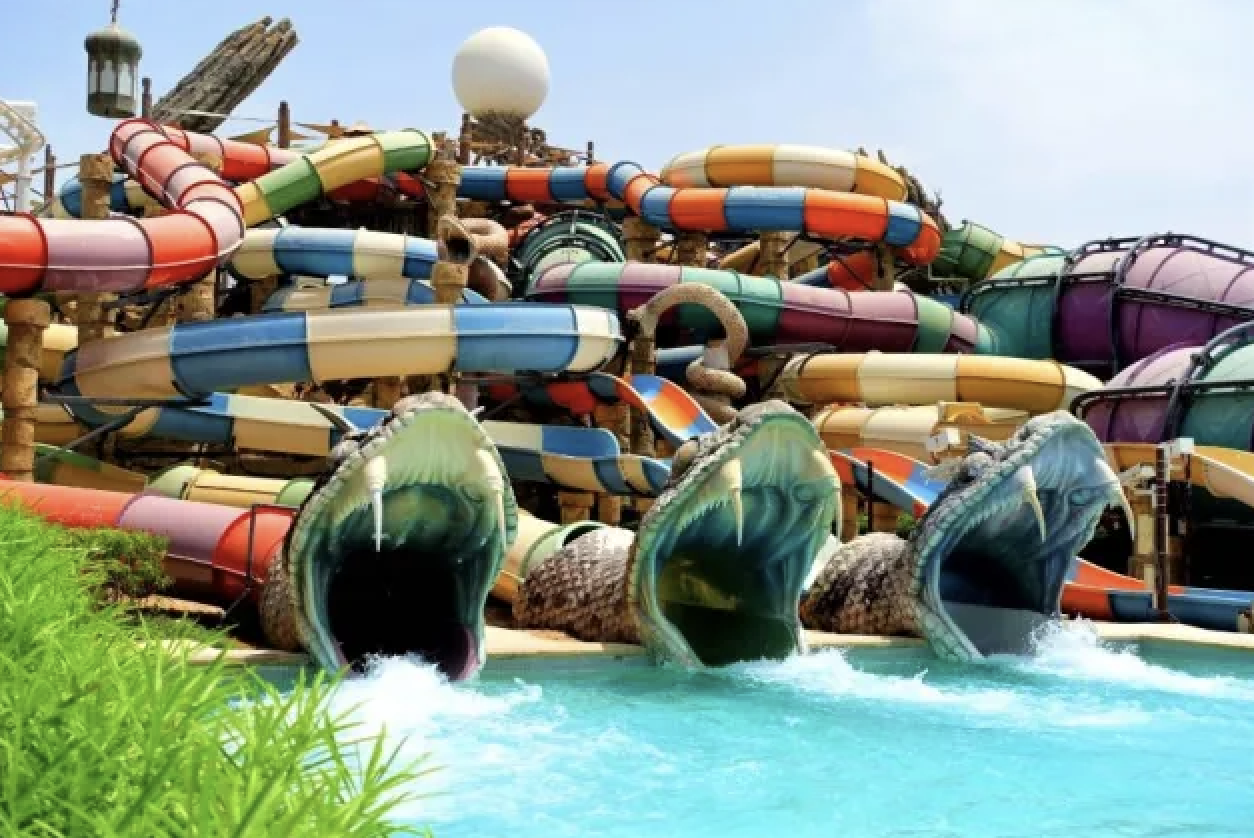
Yas Island, meanwhile, represents the entertainment and leisure side of the emirate’s success. Continuous expansion of theme parks, family attractions, hotels and event spaces has turned Yas into a multi‑day destination, supported by infrastructure designed to handle major international events and high visitor volumes without strain.
Together, these districts showcase a model of tourism development built on clustering—creating areas where accommodation, attractions, dining and transport are planned as a single ecosystem.
Nature integrated into infrastructure
Abu Dhabi’s infrastructure push is not limited to urban and entertainment projects. Equally significant are developments that protect and showcase natural environments. Mangrove boardwalks, conservation zones and eco‑tourism facilities allow visitors to experience coastal ecosystems just minutes from the city centre. These projects reinforce the emirate’s positioning as a destination where modernity and nature coexist, appealing to travellers seeking balance, wellness and outdoor experiences.
Desert infrastructure follows the same philosophy. Access roads, visitor centres and low‑impact resorts support tourism growth while preserving the vast sense of space that defines Abu Dhabi’s interior landscapes.
Hospitality built around experience
New hotels and resorts continue to open across the emirate, but the emphasis is less on quantity and more on diversity. Urban business hotels support conferences and exhibitions, beach resorts cater to leisure travellers, and desert lodges offer privacy and immersion. Infrastructure planning ensures these properties are not isolated, but connected—physically and conceptually—to the wider destination narrative.
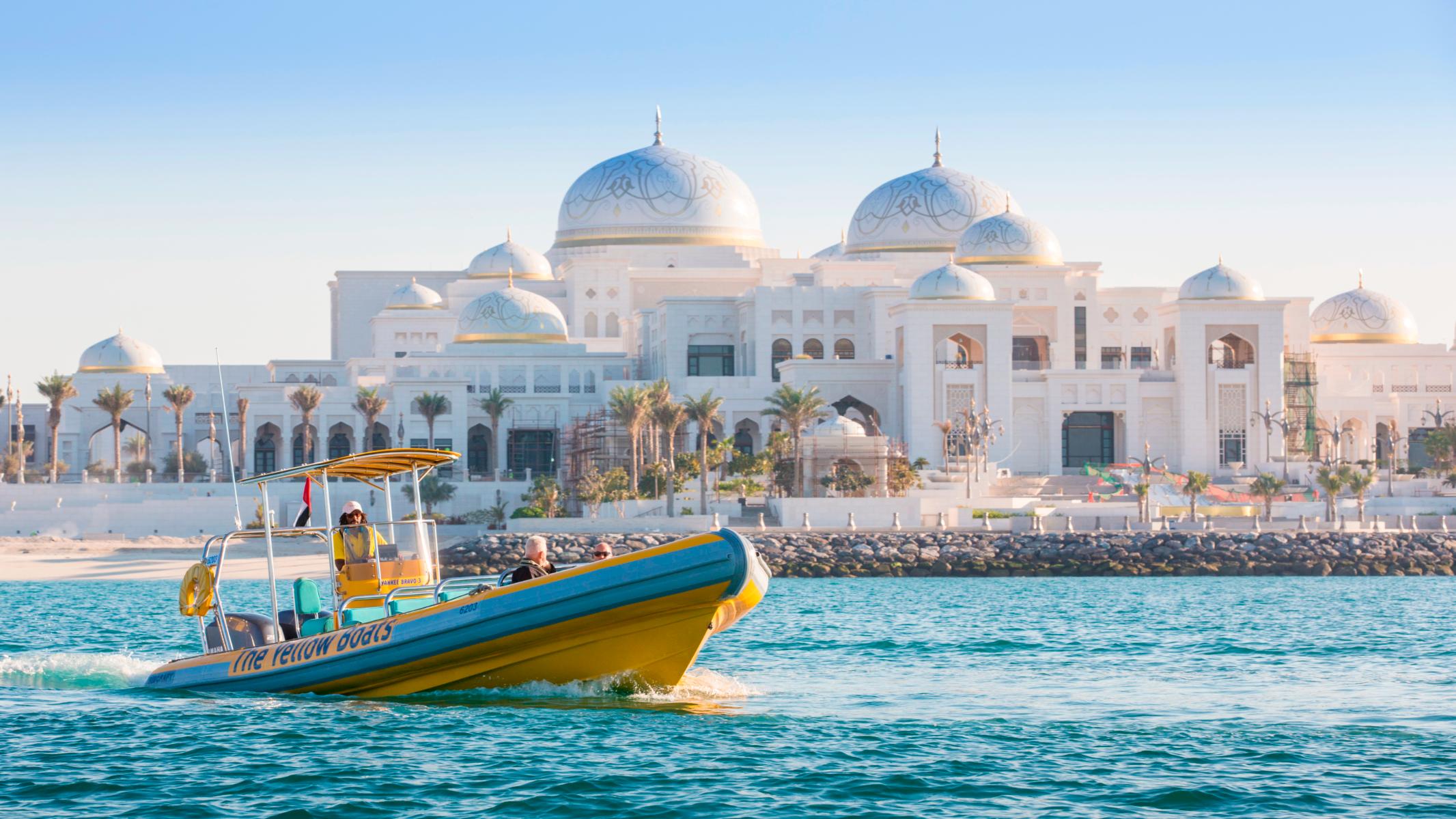
This connectivity extends to cruise tourism as well. Enhanced port facilities and waterfront redevelopment have strengthened Abu Dhabi’s position as a cruise stop and turnaround port, linking maritime arrivals smoothly into city and regional itineraries.
Abu Dhabi at ITB Berlin: infrastructure as confidence
At ITB Berlin this week, Abu Dhabi’s presence reflects the maturity of this development strategy. Rather than focusing solely on attractions, the conversation centres on readiness: capacity, connectivity and long‑term vision. Infrastructure is not presented as an abstract achievement, but as the quiet enabler behind every experience the emirate offers.
Meetings with travel trade partners highlight new districts coming online, improved access through air and land, and the ability to host everything from cultural travellers to major international events. Abu Dhabi positions itself as a destination that can scale thoughtfully—absorbing growth without compromising quality or identity.
The messaging is clear and composed. Abu Dhabi is not selling ambition; it is demonstrating delivery.
From investment to identity
What distinguishes Abu Dhabi’s tourism success today is how infrastructure supports identity rather than overwhelming it. Cultural institutions are given space to breathe. Natural landscapes are protected through design, not fenced off from visitors. Urban growth enhances liveability for residents as much as it improves the visitor journey.
As global tourism gathers in Berlin this week, Abu Dhabi stands as a case study in how destinations can grow with restraint and clarity. New terminals, districts and transport links may form the backbone of this success, but the real achievement lies in how seamlessly they disappear into the experience—leaving travellers with a sense not of construction, but of calm confidence.
Abu Dhabi has built the tools of tourism carefully. Now, it is using them with assurance.