

Saudi’s Tourism Renaissance: An Exclusive Interview with Fahd Hamidaddin, CEO of the Saudi Authority

Saudi Arabia’s tourism sector is undergoing a transformative journey, positioning the Kingdom as one of the fastest-growing destinations in the world. At the heart of this evolution is Fahd Hamidaddin, the founding CEO of the Saudi Tourism Authority, who is leading the charge in redefining Saudi Arabia’s place on the global tourism map. In an exclusive interview with Breaking Travel News, Hamidaddin shared insights into the Kingdom’s impressive growth, ambitious targets, and unwavering commitment to authenticity and sustainability.
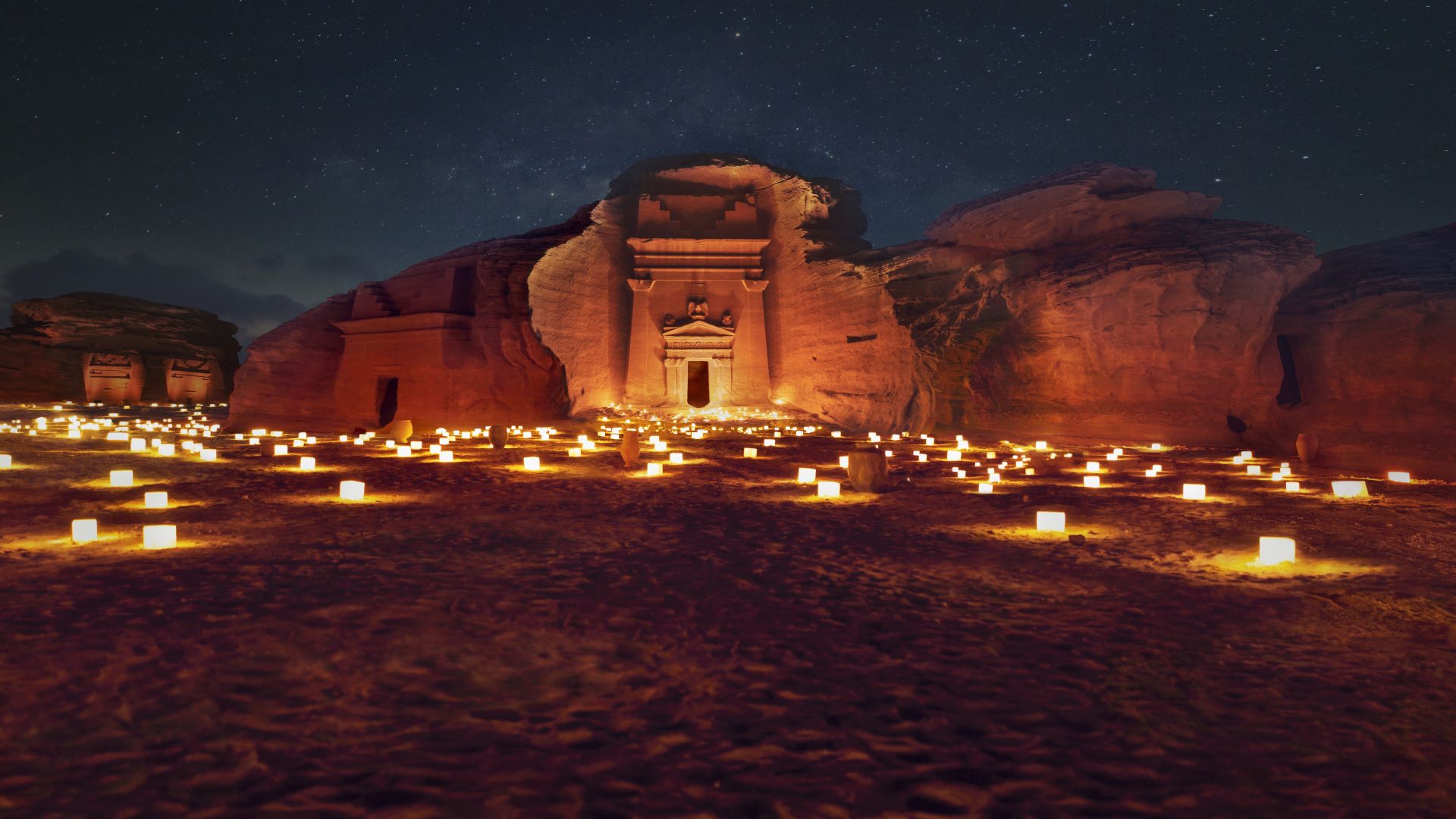
Saudi Arabia: The Fastest Growing Tourism Destination
Saudi Arabia continues to break records in the global tourism industry. Hamidaddin revealed that while the initial target was to attract 100 million visitors by 2030, the Kingdom had already surpassed this milestone in 2023, recording 106 million visits. As a result, the goal has been revised to 150 million visitors by 2030.
“What makes this success even more remarkable,” he explained, “is that it is driven largely by word of mouth. Travelers who visit Saudi Arabia are captivated by the experiences and share them, encouraging others to explore the country.”
The growth in tourism is also reflected in air connectivity, with seven new airlines from Europe now operating routes to Saudi Arabia. In total, 25 new European cities have been added to Saudi Arabia’s flight network, bringing the total number of destinations connected to the Kingdom to 170, with a target of 250 by 2030.
Exclusive Interview with Fahd Hamidaddin, CEO of the Saudi Authority
A Global Hub for Sports and Culture
Saudi Arabia’s event calendar is growing at an unprecedented rate, establishing the Kingdom as a premier global hub for sports and entertainment. The Kingdom is hosting world-class sporting events, including the Asian Cup, Formula 1, global motorsports championships, boxing tournaments, and tennis competitions.
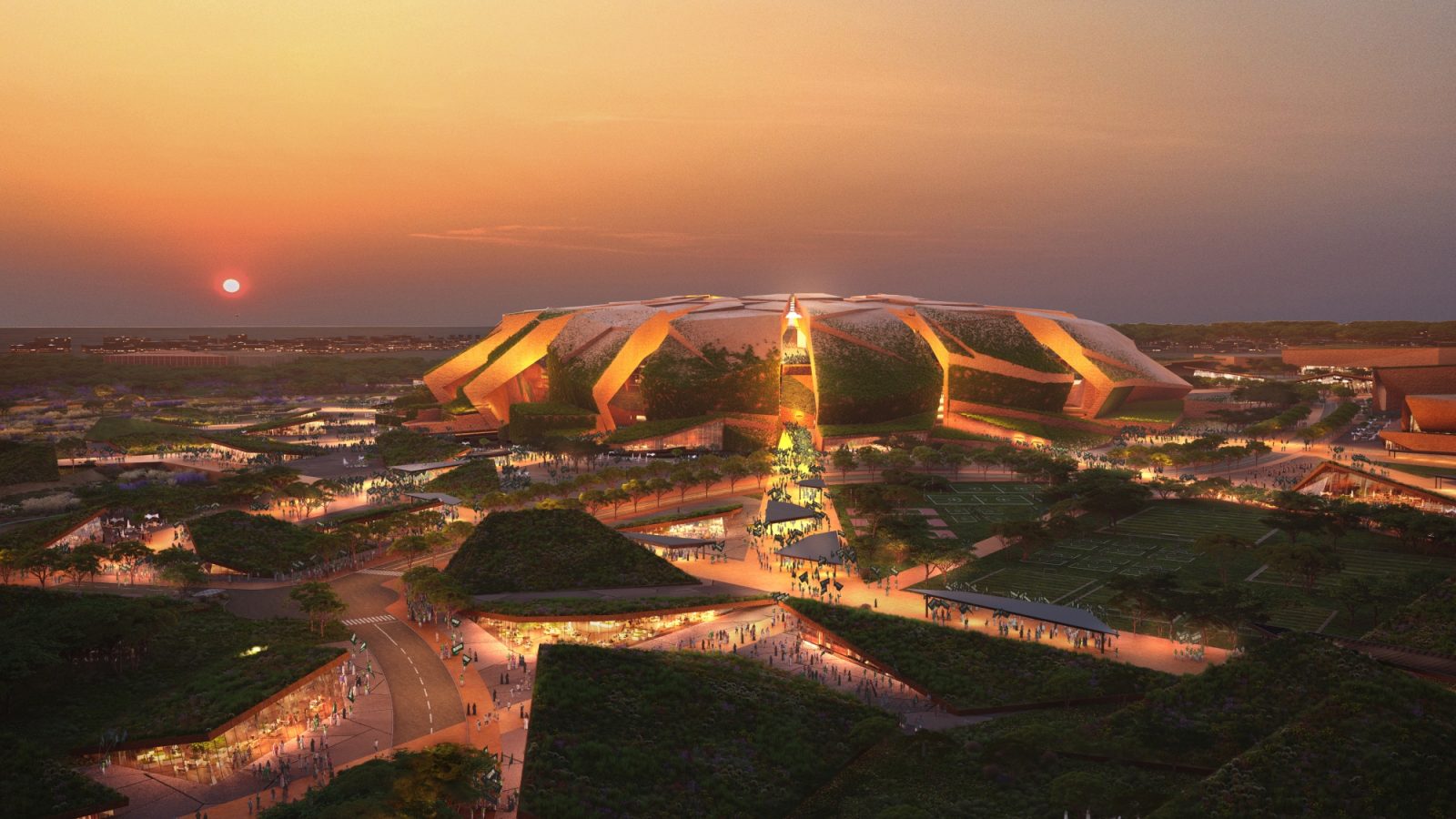 Saudi World Cup 2034 stadium
“In 2034, we will host the FIFA World Cup, but even before that, we are setting the stage with major events like the Asian Cup and a diverse range of global tournaments,” Hamidaddin stated. “Beyond these flagship events, we are also promoting smaller but equally impactful sports, such as paddle, snooker, and rally racing.”
Crucially, Saudi Arabia is pairing sports events with cultural and entertainment experiences, making each occasion more immersive. “For example, when we host Formula 1, we also organize art and music festivals, ensuring a holistic experience for visitors,” he added.
.jpg.jpeg)
The Kingdom is also making a mark in the art and cultural landscape. The Islamic Arts Biennale in Jeddah, held for the first time, welcomed 64,000 visitors, making it the second-largest biennale globally after Venice. Similarly, MDL Beast Soundstorm, the Middle East’s largest electronic dance music (EDM) festival, attracted over 600,000 attendees, surpassing well-known international festivals like Burning Man and Coachella.
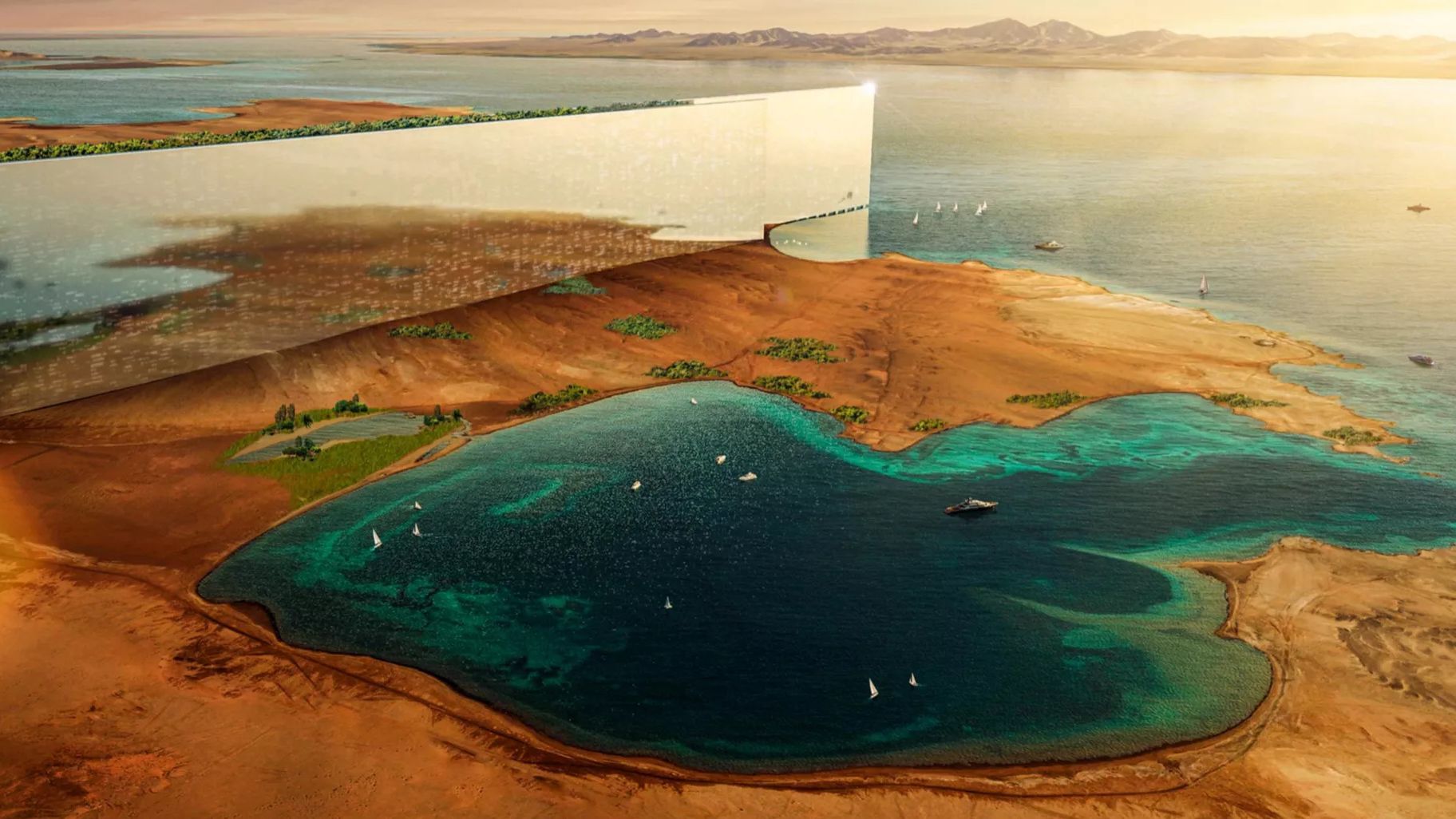 NEOM
NEOM
The Red Sea: A New Global Coastal Destination
One of the most ambitious projects in Saudi Arabia’s tourism development is the Red Sea coastline, which is poised to rival the Mediterranean as a premier sun-and-sea destination.
“This coastline will feature multiple destinations, including Neom’s futuristic resorts, Amala’s luxury wellness retreats, and Jeddah’s cosmopolitan marina and cruise hub,” Hamidaddin explained. “We are not just developing resorts; we are creating a global Riviera with a world-class maritime industry, yachting facilities, and water sports events.”
The Ocean Race, one of the world’s most prestigious sailing competitions, will now conclude in the Saudi Red Sea by 2028, marking the Kingdom’s entry as a major player in global maritime tourism.
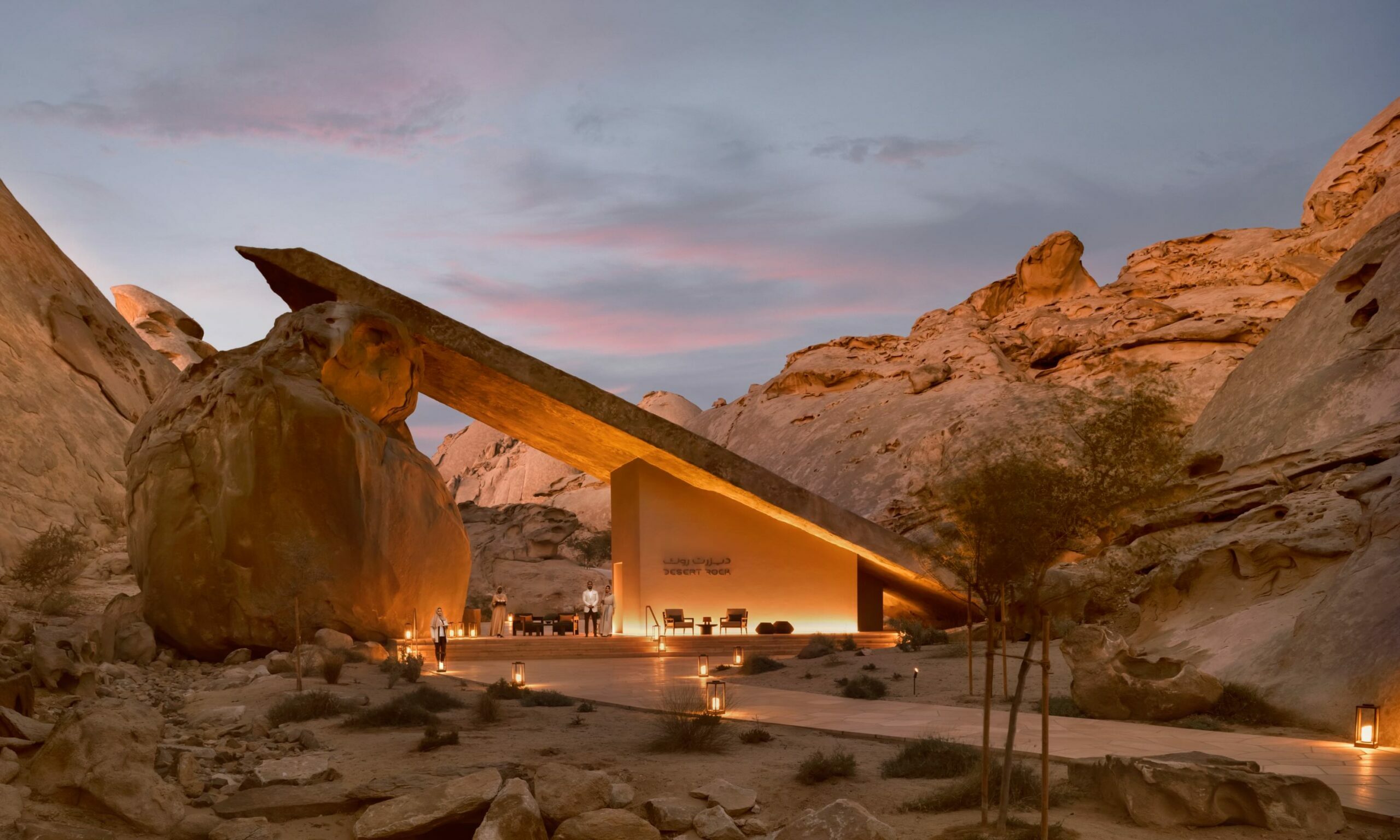 Habitas AlUla
Balancing Modern Development with Authenticity
Amidst rapid transformation, Saudi Arabia remains deeply committed to preserving its authenticity. Hamidaddin stressed that Saudi Arabia’s tourism strategy is rooted in cultural heritage and historical preservation, ensuring that modernization does not come at the cost of tradition.
“Saudi Arabia is home to eight UNESCO World Heritage Sites and 14 intangible cultural elements recognized by UNESCO. But beyond that, we have an incredible living heritage—old villages, traditional souks, and architectural treasures that are still inhabited and active,” he said.
The Kingdom is reviving Diriyah, the birthplace of the Saudi monarchy, as the largest mud-brick city in the world, while ensuring that the South of Saudi Arabia, with its cool summer climate and green mountains, becomes a top destination for European travelers looking for a warm-weather escape.
“Whether it’s the rock-carved hotels in AlUla, the desert lodges of the Red Sea, or boutique hotels in Jeddah’s historic souks, we are making sure that every project reflects authentic Arabian heritage while offering a luxury experience,” Hamidaddin added.
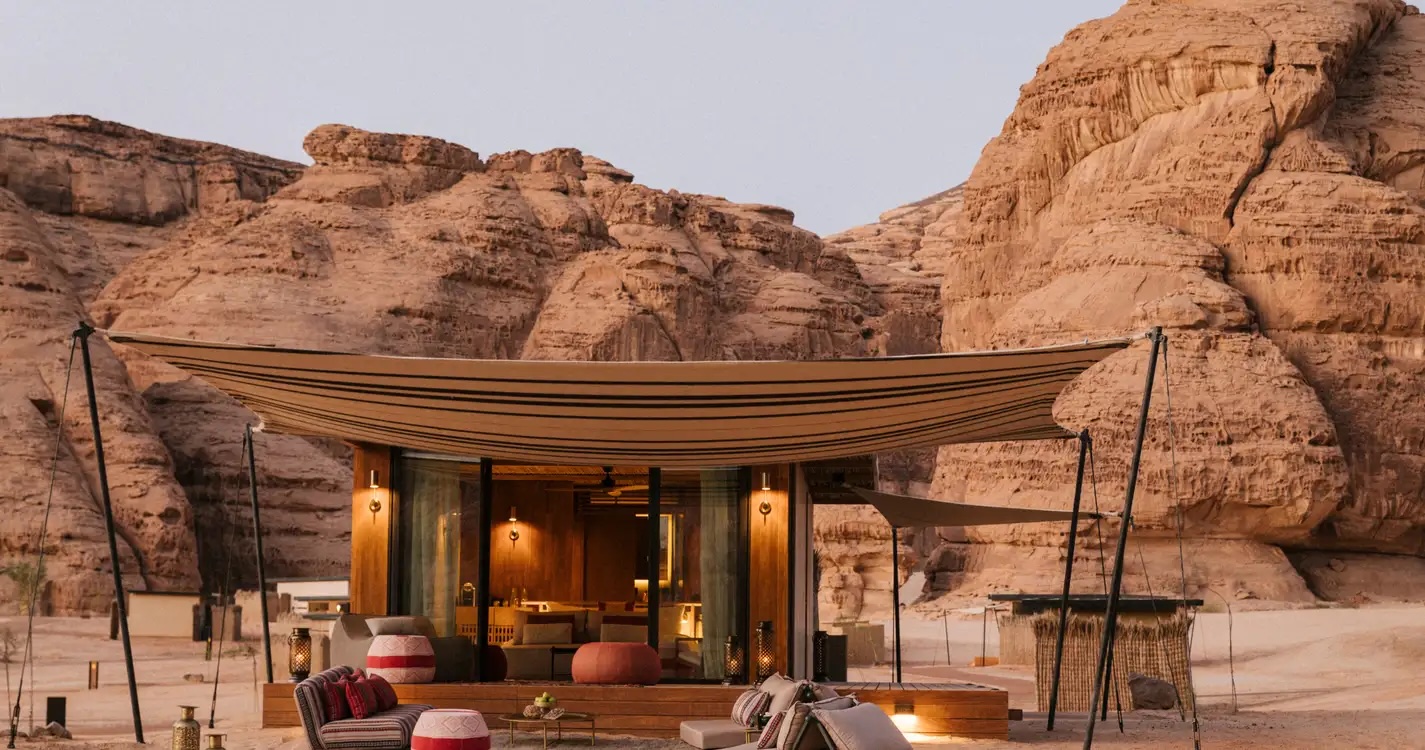 Habitas AlUla
A Tourism Model Built on Sustainability
Sustainability is a core pillar of Saudi Arabia’s tourism development. Hamidaddin emphasized that the country is not only preserving its natural landscapes but also leading regenerative tourism initiatives.
“The Red Sea Project, for example, is building new airports, luxury resorts, and infrastructure with zero carbon emissions, ensuring that tourism benefits the environment rather than depleting it,” he said.
One of the most groundbreaking initiatives is Saudi Arabia’s investment in coral nurseries, which will revive marine ecosystems and reintroduce endangered species to protected waters. The Kingdom has also set aside 30% of its land for conservation efforts, including the reintroduction of Arabian leopards and other wildlife species.
However, sustainability is not just about nature—it’s also about empowering local communities. Hamidaddin revealed that 90% of jobs in newly developed tourism destinations are being offered to local residents, ensuring that Saudis are at the heart of the tourism industry.
“We believe in a ‘residents first’ approach,” he explained. “Before welcoming millions of tourists, we want to ensure that local communities thrive, their culture is celebrated, and they benefit directly from tourism-driven economic growth.”
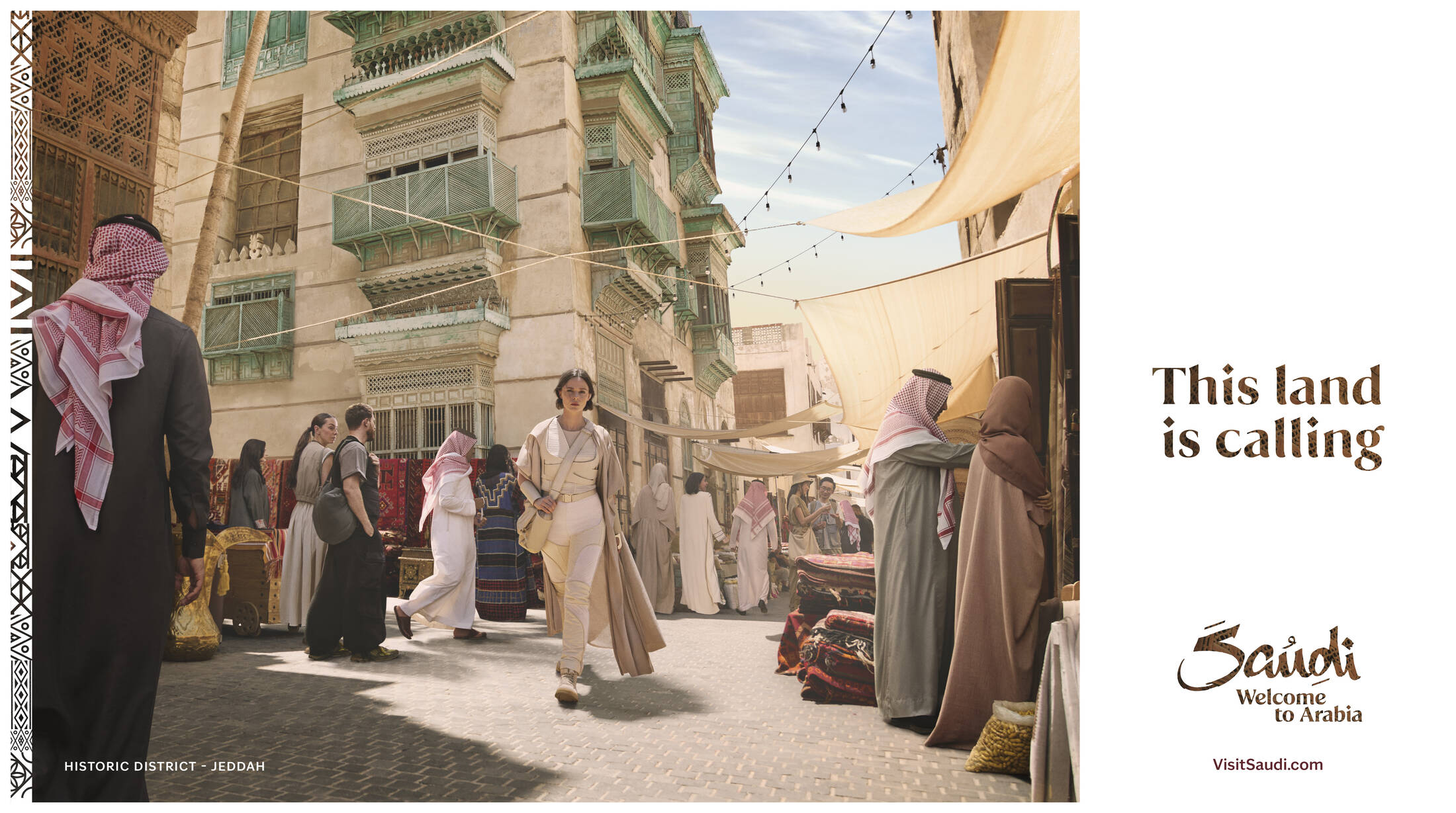
Welcoming the World: The Land is Calling
As Saudi Arabia continues its journey towards becoming a global tourism powerhouse, the latest campaign, ‘The Land is Calling’, captures the essence of this transformation.
“This campaign is more than just a marketing slogan—it’s a call for travelers to explore a land that has been the cradle of civilizations, trade routes, and cultures for centuries,” Hamidaddin stated.
With ancient archaeological sites, futuristic giga-projects, luxury resorts, and diverse landscapes ranging from deserts to ski slopes, Saudi Arabia is ready to welcome the world.
“Since opening up to international tourism in 2019, we’ve gone from being the world’s best-kept secret to a must-visit destination,” Hamidaddin concluded. “The time is now—the land is calling.”
Final Thoughts
Under Fahd Hamidaddin’s leadership, Saudi Arabia’s tourism industry is making unprecedented strides, seamlessly blending modern innovation with historical authenticity. With record-breaking visitor numbers, world-class events, and a commitment to sustainability, the Kingdom is rapidly positioning itself as one of the most exciting and unique travel destinations of the decade.
As the world watches Saudi Arabia’s Vision 2030 unfold, one thing is clear—the Kingdom is not just developing tourism; it is redefining it.
Saudi Tourism Authority was voted as World’s Leading Marketing Campaign 2024, Middle East’s Leading Cultural Destination 2024, Middle East’s Leading Heritage Destination 2024 and Middle East’s Leading Marketing Campaign 2024
For more information Visit the Saudi Tourism Authority website