

Cinema, Culture, and Youth Empowerment: A Conversation with SIFF Director Sheikha Jawaher

For over a decade, the Sharjah International Film Festival for Children & Youth (SIFF) has inspired young audiences and filmmakers alike. Director Sheikha Jawaher bint Abdulla Al Qasimi reflects on SIFF’s journey, its cultural impact, and its vision for empowering the next generation of storytellers.
BTN’s Exclusive Interview with Sheikha Jawaher bint Abdulla Al Qasimi
BTN - Over the past 12 years, SIFF has become one of the most important platforms for young audiences and emerging filmmakers in the region. Looking back, what achievement are you most proud of in shaping the festival?
What I am most proud of is that SIFF has become a trusted and inspiring space for children and youth. This achievement would not have been possible without the unwavering support of Her Highness Sheikha Jawaher Al Qasimi, wife of His Highness the Ruler of Sharjah, whose vision for nurturing creativity and empowering the next generation has guided SIFF from the very beginning. Over 12 years, we have not only grown in size but in depth, building a festival where young people are not simply audiences but active participants, critics, and creators. To see a child experience cinema for the first time, to watch youth filmmakers present their work on an international stage, and to know SIFF gave them that opportunity, that is our greatest achievement.
BTN - SIFF has always put children and youth at the centre of the story. What was your original vision, and how has it evolved over the years?
From the beginning, the vision was clear: cinema could be a powerful tool to inspire young minds, nurture creativity, and connect cultures. Over the years, this vision has expanded. We now see children and youth not just as viewers but as collaborators in shaping the festival. Through SIFF and FANN and our educational programmes, we empower them to develop their skills, tell their own stories, and find their place in the global cultural conversation.
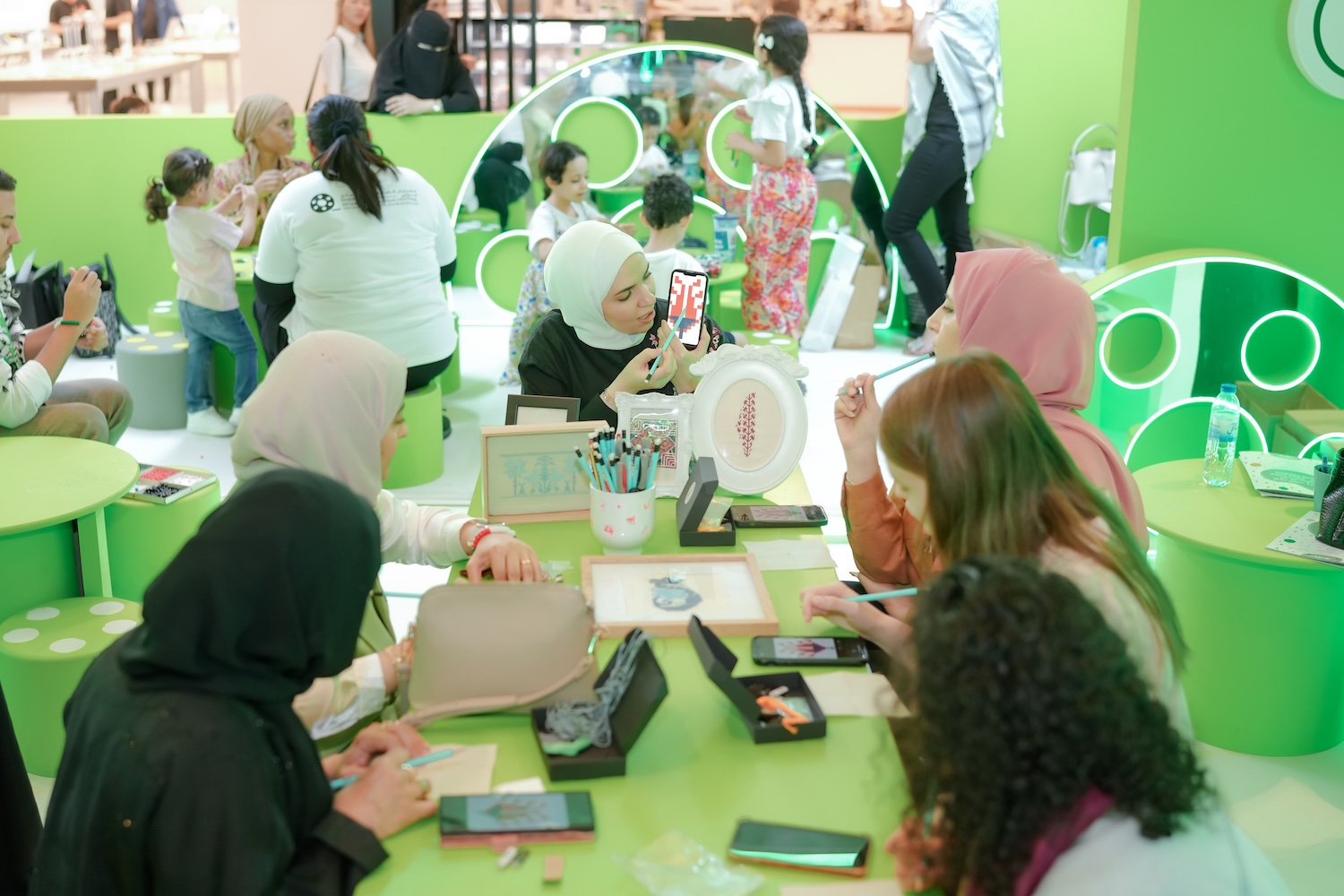
SIFF 2025 Highlights
BTN - This year, South Korea is the Country of Honour. What can audiences expect from this cultural exchange, and why was Korea chosen?
South Korea represents one of the most dynamic film industries in the world today, known for its creativity, innovation, and ability to connect with audiences of all ages. By welcoming South Korea as Country of Honour, we give our young audiences access to a rich cinematic culture that blends tradition with modern storytelling. The exchange is not one-way; it is about building bridges, fostering mutual understanding, and allowing Arab and Korean youth to learn from one another.
BTN - Beyond film screenings, SIFF 2025 will also feature workshops, talks, and interactive programmes. How do these elements enrich the festival experience for children and young people?
Cinema is not just what happens on the screen. The workshops, talks, and interactive programmes allow children to step behind the scenes, to meet filmmakers, to experiment with storytelling, animation, or sound. These experiences give them confidence, skills, and a sense of belonging to a creative community. It is in these spaces that they begin to imagine themselves not just as spectators but as future filmmakers, critics, or cultural leaders.
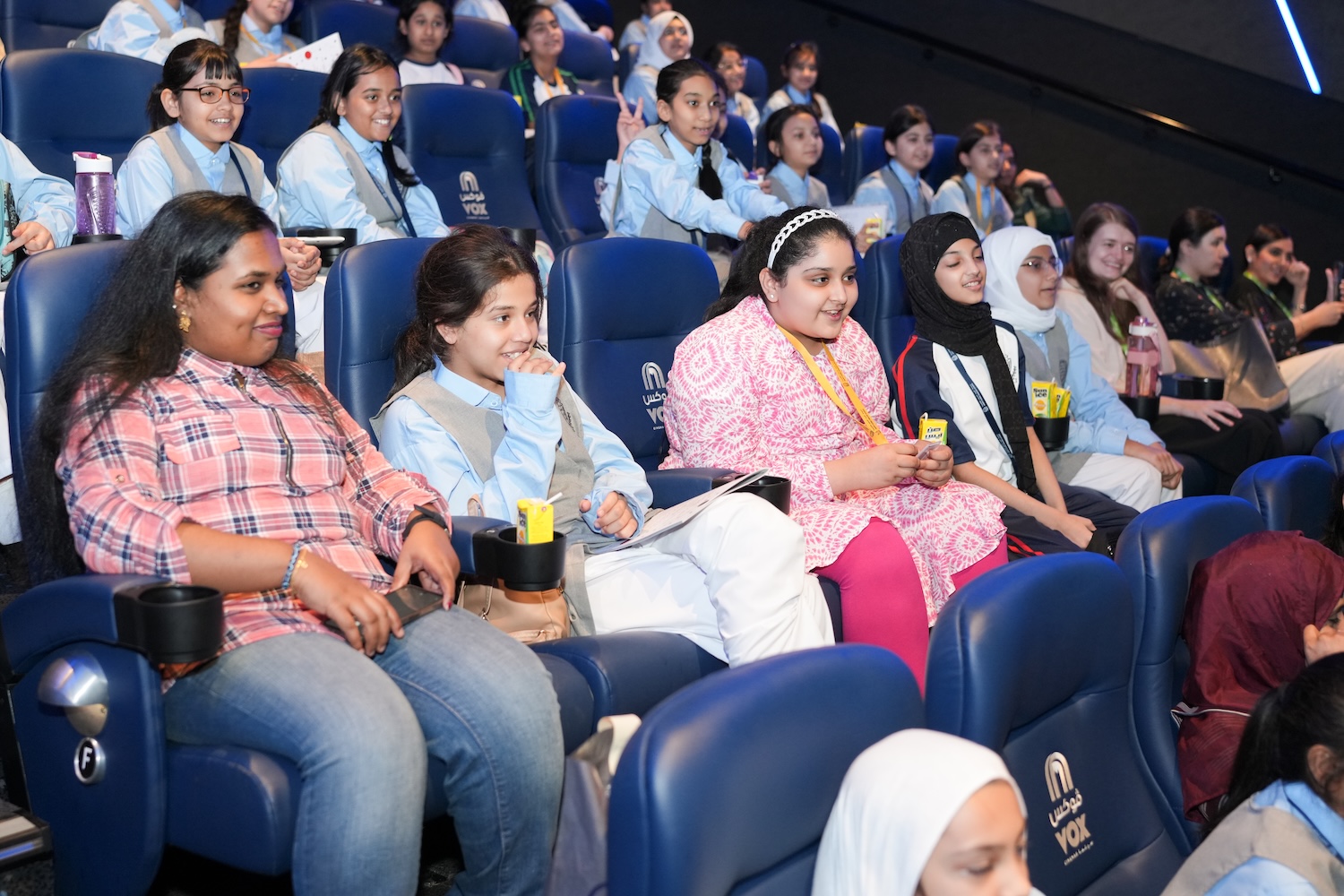
Cinema & Youth Empowerment
BTN - You often say SIFF is not just about films, but about inspiring futures. How do you see cinema shaping creativity, imagination, and confidence among young people?
Cinema has a unique way of unlocking imagination. It allows young people to see different worlds, ideas, and perspectives, and in doing so, it gives them the courage to dream and to express themselves. Watching a story unfold on screen can spark creativity; making a film can build confidence and teamwork. This is why I believe cinema is such an important educational and cultural tool.
BTN - What role does SIFF play in encouraging the next generation of Arab storytellers and filmmakers?
SIFF is both a platform and a launchpad. By showcasing Arab films for young audiences and providing training through FANN, we nurture a pipeline of storytellers who can speak authentically to and about their communities. Our festival is a place where emerging filmmakers meet peers, mentors, and international industry figures, creating networks that support their growth and amplify Arab voices globally.
BTN - How important is it to have Arab content created specifically for children and youth, reflecting their voices and their realities?
It is vital. Children need to see themselves on screen, to feel that their stories, languages, and cultures matter. Arab content for young audiences ensures that our youth grow up with narratives that reflect their realities and aspirations. At the same time, it introduces the world to the richness of Arab childhood experiences, fostering empathy and cultural exchange.
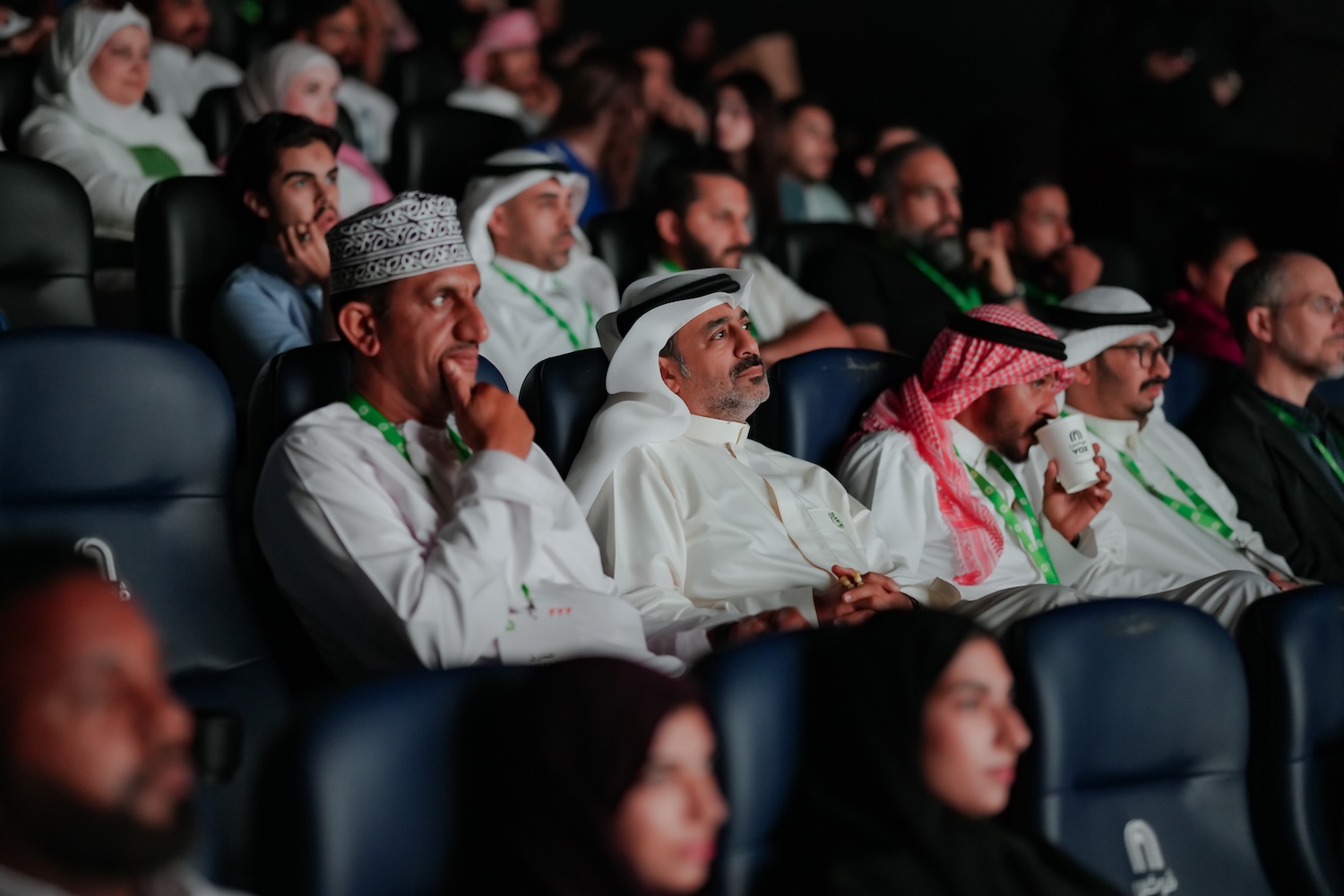
Cultural Impact & Education
BTN - In your view, why is it essential to introduce cinema to children at an early age?
Introducing cinema early helps children develop curiosity, empathy, and creativity. Cinema is not just entertainment; it is a language of ideas and emotions. When children engage with it at a young age, they learn to appreciate diverse perspectives, to question, to imagine, and to connect with cultures beyond their own.
BTN - How does SIFF balance entertainment with education, ensuring that films also spark meaningful conversations about culture, empathy, and change?
The balance lies in careful curation. Every film we select must offer artistic value, cultural insight, and relevance to young audiences. We seek films that entertain while also raising questions about identity, friendship, resilience, or justice. By pairing screenings with discussions and workshops, we encourage young people to go beyond watching, to engage critically, and to reflect on what these stories mean for their own lives.
Future Outlook
BTN - Looking ahead, what is your ambition for SIFF over the next decade?
Our ambition is to continue growing as a global reference point for children’s and youth cinema. We want SIFF to be known not only for its screenings but for its role in shaping the next generation of storytellers and audiences in the Arab world. Over the next decade, we hope to expand partnerships, deepen our educational programmes, and ensure that SIFF remains a platform where culture, creativity, and youth empowerment meet.
BTN - How do you see Sharjah’s cultural role evolving globally through initiatives like SIFF and FANN?
Sharjah has always believed in culture as a bridge to the world. Through SIFF and FANN, we extend this vision globally, positioning Sharjah as a place where ideas, stories, and talent are nurtured and shared. These initiatives ensure that Sharjah is not just hosting festivals but contributing meaningfully to global conversations about youth, creativity, and cultural exchange.
BTN - Finally, what message would you like to share with young filmmakers who are considering submitting their work to future editions of SIFF?
My message is simple: your voice matters. Do not be afraid to tell your story, no matter how small or personal it may seem. Cinema thrives on authenticity, and the world needs your perspective. SIFF will always be a place that welcomes and celebrates the courage of young filmmakers who dare to imagine and to share their vision.