

BTN Interviews: Chef Norbert Niederkofler - Inside the Mind of South Tyrol’s Culinary Visionary
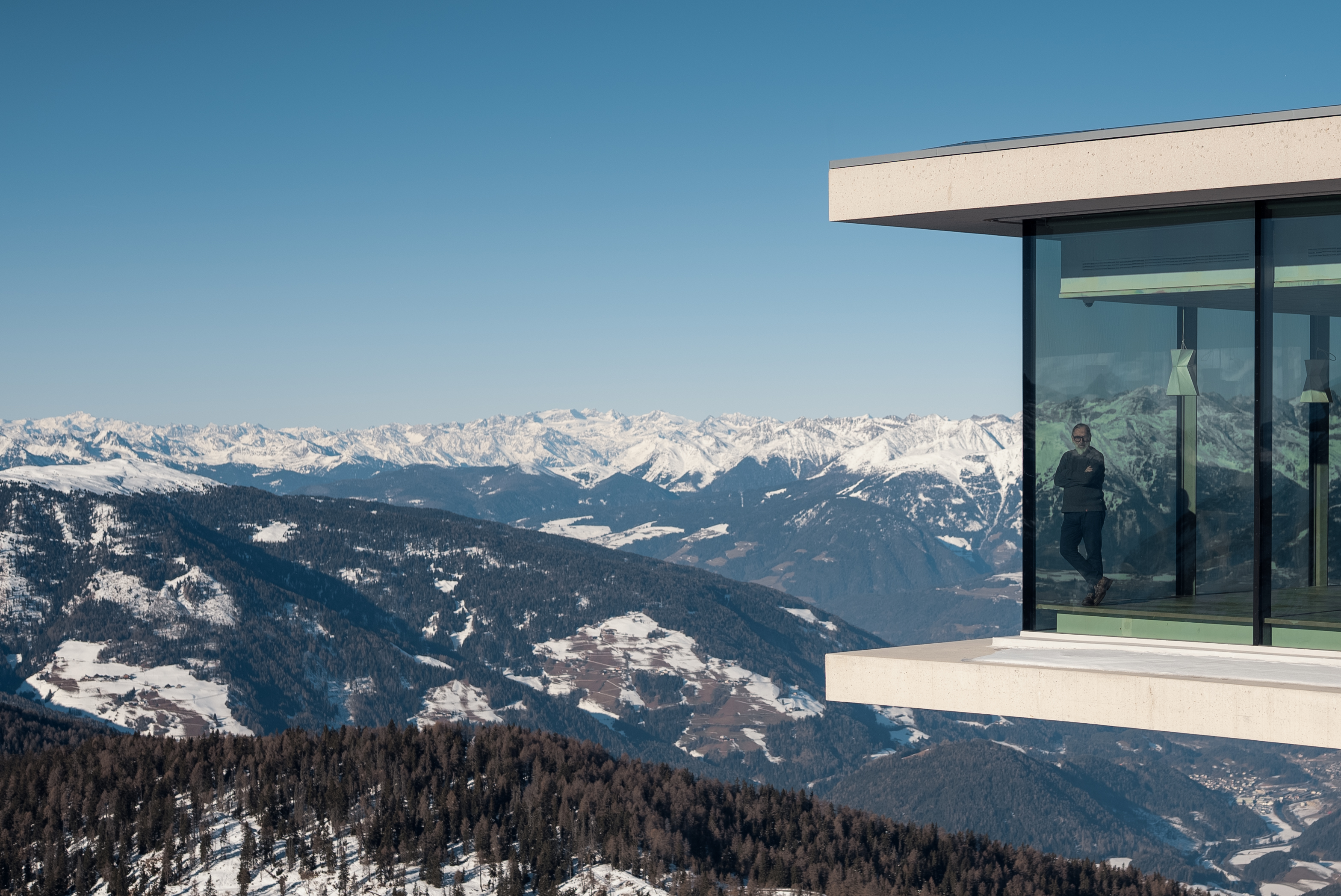
 Chef Norbert Niederkofler, AlpiNN
 BTN sits down with Chef Norbert Niederkofler, the internationally celebrated South Tyrolean chef renowned for his “Cook the Mountain” philosophy, which has reshaped alpine gastronomy and placed South Tyrol firmly on the global culinary map. In this exclusive conversation, Niederkofler explores how the Dolomites’ raw landscapes, local producers and deep-rooted traditions inspire his uncompromising approach to sustainability, zero waste, and ingredient-led creativity. He reflects on the evolution of mountain cuisine, the responsibility chefs hold in shaping food culture, and how South Tyrol continues to influence his identity as a chef, mentor and innovator.
South Tyrol is a region of astonishing contrasts—where sharp Dolomite peaks rise above Mediterranean vineyards, where German, Italian and Ladin cultures coexist, and where innovative sustainability blends seamlessly with centuries-old Alpine tradition. Sitting in Italy’s northernmost province, bordered by Austria and Switzerland, this autonomous land is a fusion of northern precision and southern warmth. With more than 8.4 million annual arrivals and 36 million overnight stays, South Tyrol remains one of Europe’s most desirable year-round destinations, attracting visitors with its landscapes, food culture, design heritage, and pioneering approach to sustainable living.

BTN - You are known for your “Cook the Mountain” philosophy, deeply rooted in sustainability and Alpine traditions. How do you adapt that philosophy when collaborating in a London setting like Brooklands?
Cook the Mountain is ultimately a philosophy of listening and feeling— to nature, to place, to the people who shape the local food system. In London, that means approaching the city with the same respect I bring to the Dolomites, but applying it to a completely different landscape.
We look for producers who share a commitment to quality and sustainability, explore the rhythms of the region, and work with what grows naturally here. The idea is not to impose Alpine identity on London, but to translate the same principles into a new environment, creating a cuisine that feels honest and rooted in its own terroir.
BTN - Both aviation and motorsport represent pushing limits and breaking boundaries. Do you see a similar spirit of innovation in the way fine dining is evolving today?
Aviation and motorsport are about pushing the edge of what is possible; precision, performance, continuous refinement. Fine dining is moving in a similar direction, but our frontier is the natural world.
The most meaningful innovation today is about responsibility and even more important respect: reducing waste, understanding ingredients more deeply, and respecting ecosystems. It’s a quieter kind of boundary-pushing, but no less ambitious. We are redefining luxury by aligning creativity with sustainability, and that is a significant evolution in our industry.
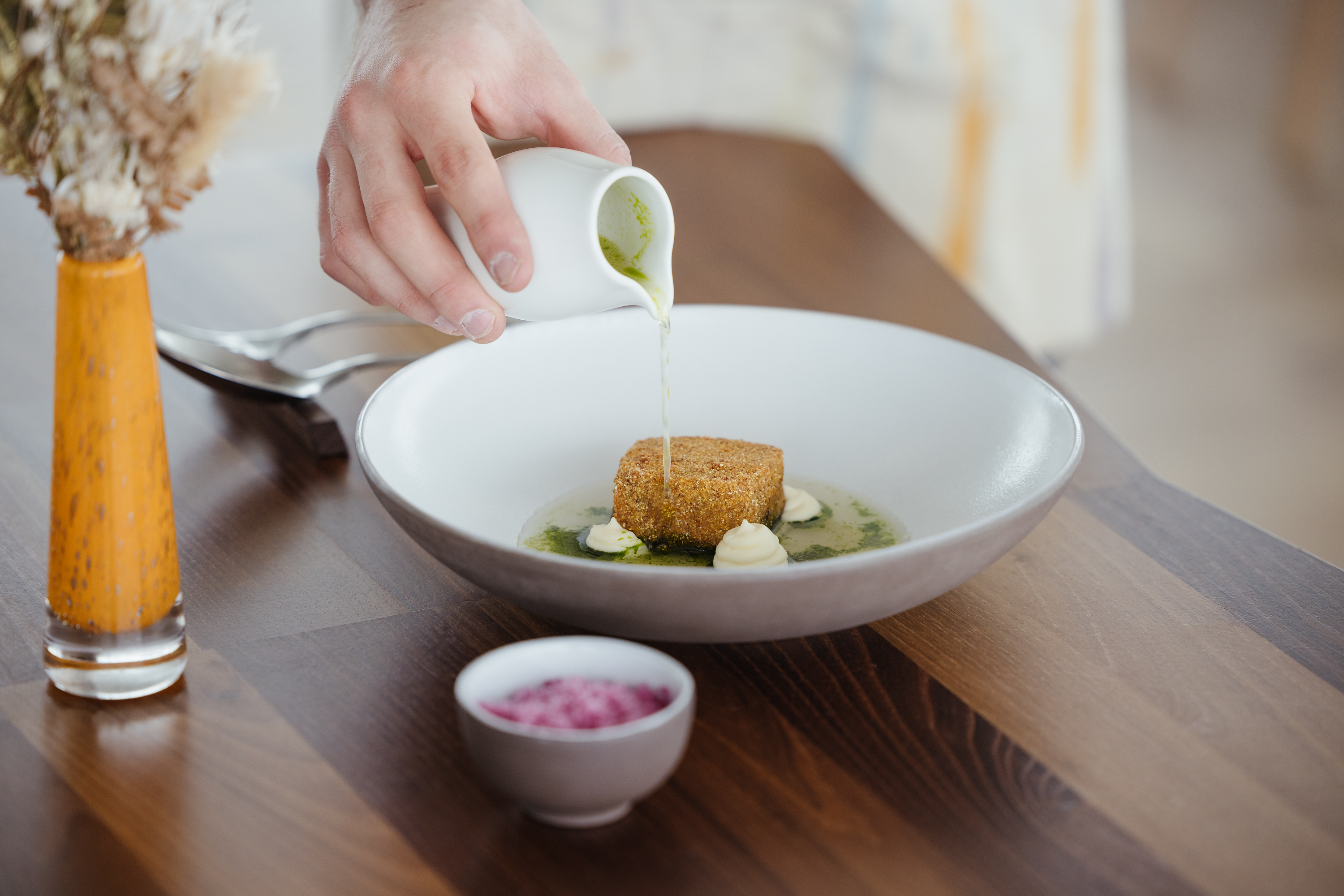
BTN - Sustainability is central to your culinary identity. What opportunities do you see for restaurants like Brooklands to further integrate sustainable practices while maintaining luxury?
True luxury is not excess; it’s intention. It lies in craftsmanship, in traceability, in the purity of ingredients and the respect shown to them.
By making sustainability part of the story, part of the experience, the restaurant can elevate its identity while showing that luxury and responsibility can enhance each other rather than compete. For me real luxury today is to know from where I got the produce which I buy in the supermarket or also in the restaurant.
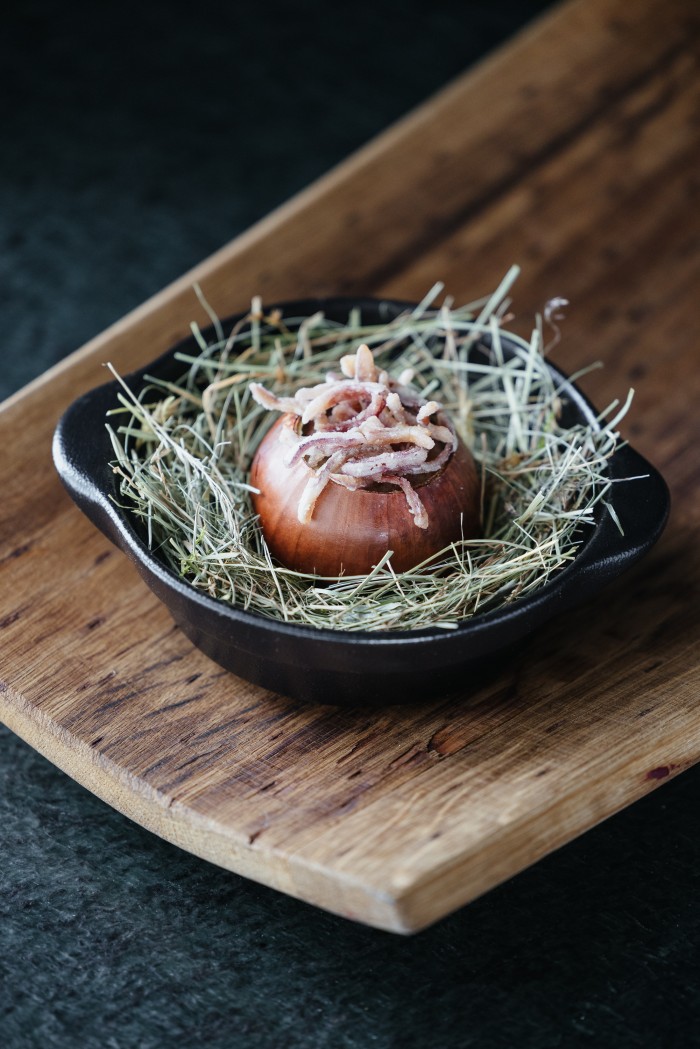
BTN - When you collaborate with chefs such as Claude Bosi, what excites you most — the sharing of techniques, the creative synergy, or the storytelling through food?
What excites me is the dialogue — the exchange of ideas, the openness, the inspiration that comes from seeing familiar things through someone else’s eyes.
Techniques matter, creativity matters, but the most powerful element is the shared storytelling. When two distinct culinary backgrounds meet, you can create dishes that express both perspectives while forming something entirely new. That synergy is where the real joy lies.
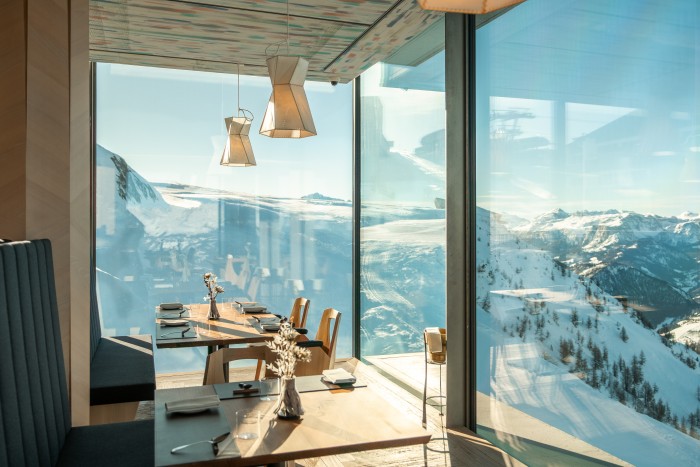
BTN - You’ve won acclaim for connecting cuisine to landscape and culture. In your eyes, how can a restaurant like Brooklands connect its guests not only to British heritage but to a broader global conversation about food and place?
A restaurant can become a cultural bridge. Brooklands can highlight the richness of British produce and traditions, but also show how these elements fit into broader global themes — sustainability, biodiversity, respect for place.
By honoring local ingredients and at the same time framing them within larger questions about how we interact with our landscapes, the restaurant can invite guests into a deeper understanding of food. It becomes not just a meal, but a reflection on how culture, environment, and culinary identity are connected everywhere in the world. That’s the same thing we do in Brunico in our restaurant Atelier Moessmer. By doing this and following the rythm of nature we created a unique space to discover “Cook the Mountain” in it’s deepest form.
A Land of Contrasts and Cultural Fusion
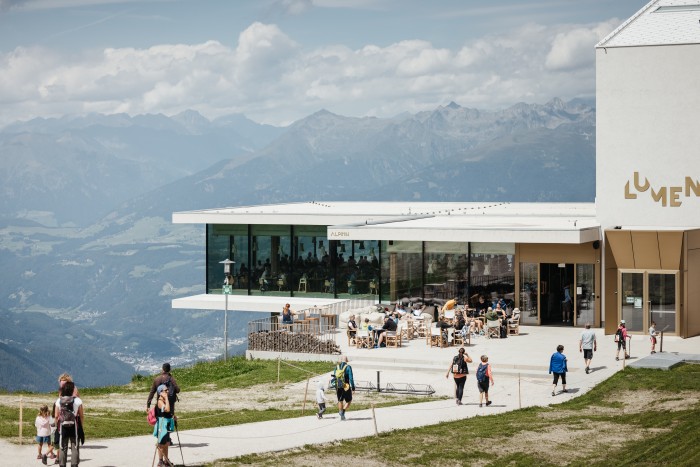
South Tyrol’s unique identity is rooted in its history as a cultural crossroads. Here, 69.4% of locals speak German, 26% Italian and 4% Ladin—a trilingual mix that enriches everything from place names to cuisine and daily life. High-alpine, snowy ridgelines give way to vineyard-lined valleys, ancient larch forests, and Italy’s warmest Alpine bathing lake. The Dolomites—UNESCO World Heritage peaks—stand watch over apple orchards, medieval towns, and architectural gems that blend contemporary aesthetics with traditional Alpine materials.
Four Seasons of Experiences
Every season offers something entirely new.
Winter delivers world-class skiing across Dolomiti Superski’s 1,200 km of slopes, from Seiser Alm’s sun-drenched beginner-friendly pistes to Gitschberg Jochtal’s family-oriented ski areas and South Tyrol’s largest snowpark. Early-bird skiing, traditional farmers’ weddings, and atmospheric Alpine Christmas markets complete the season.
Spring invites gentle hikes through blooming larch forests, while summer brings cycling along the wine routes, swimming in crystalline lakes, and exploring 7 Nature Parks.
Autumn is a gourmand’s dream, known for Törggelen—the harvest celebration of new wine, chestnuts and traditional dishes enjoyed in rustic farm taverns.
A Culinary Powerhouse
South Tyrol has the highest concentration of Michelin stars per capita in Italy, yet its food culture remains deeply authentic. Expect handmade Schlutzkrapfen, knödel, Kaiserschmarrn, Alpine cheeses, artisan breads and Speck Alto Adige PGI—all crafted from locally sourced products. White wines like Gewürztraminer and Sauvignon thrive in the sunny hillsides, while bold reds such as Lagrein express the region’s Alpine terroir. Whether dining in a rustic mountain hut or a design-driven gourmet restaurant, culinary excellence is a defining part of the South Tyrol experience.
Design, Architecture & Innovation
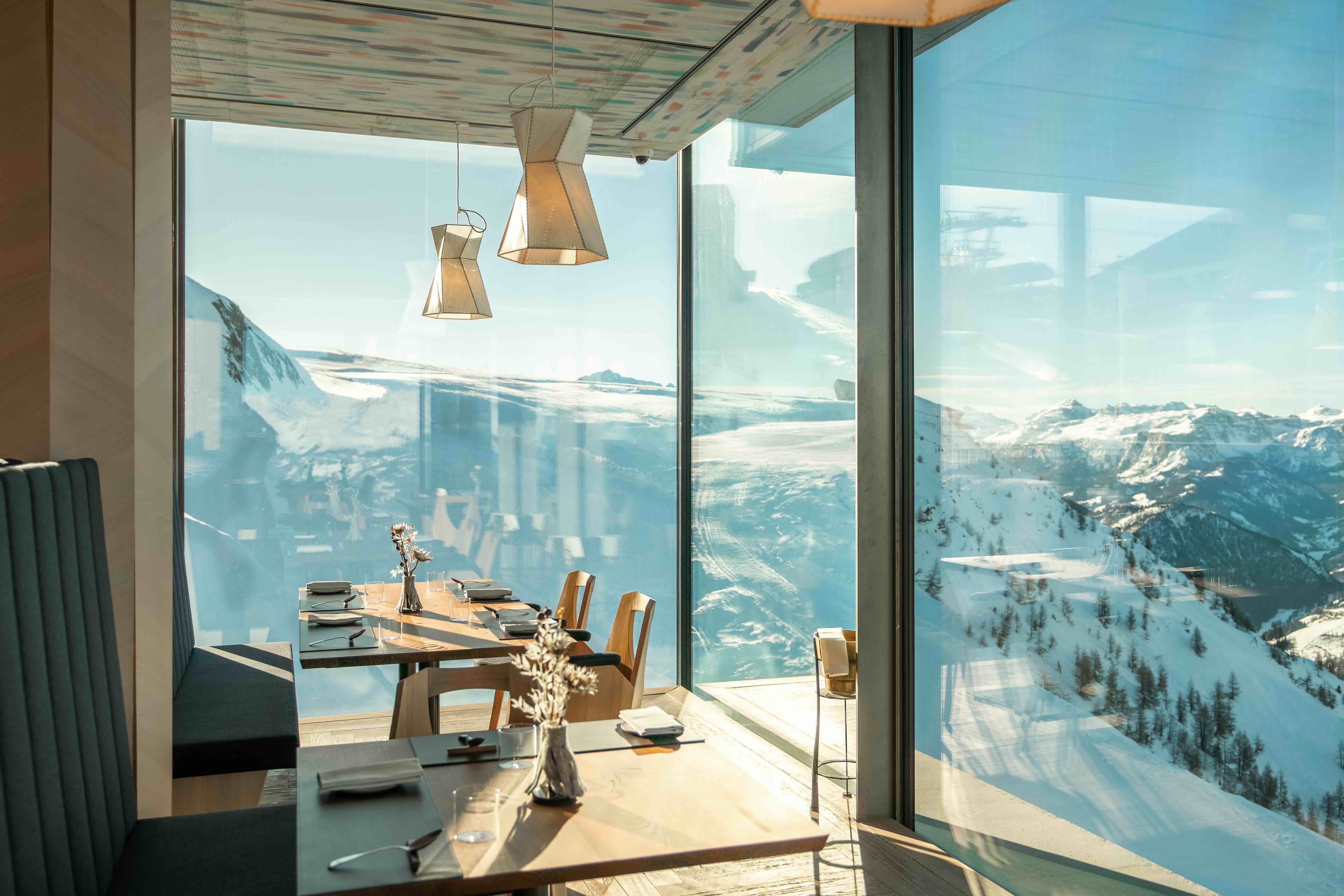
The region blends tradition with modernity through clean architectural lines, natural materials, energy-efficient construction and warm Alpine character. This quiet design sophistication can be found everywhere—from cable car stations to boutique hotels. Innovation is intrinsic to local culture: Bolzano is home to the world’s first passenger cable car (1908), while sustainability and technological advancement are reflected in regional agriculture, transport, and tourism services.
Sustainability as a Way of Life
South Tyrol positions itself as “Europe’s most sought-after sustainable environment,” a vision realized through tangible action. Its Sustainability Label—based on international GSTC criteria—recognizes accommodation providers and destinations that actively protect nature and local culture. Zero-kilometre food concepts, climate-friendly mobility, and eco-focused hospitality demonstrate a commitment to preserving the region for future generations.
The Südtirol Guest Pass gives visitors unlimited access to public transport, trams, funiculars and cable cars, making car-free travel not only possible but effortless.
Iconic Attractions and Natural Wonders
The region is rich with unique landmarks and curiosities:
• The submerged church tower of Lake Resia, rising mysteriously from the water.
• The 2,000-year-old Ultental larches, Europe’s oldest conifers.
• The Versoaln vine in Prissian—Europe’s (and possibly the world’s) largest and oldest vine.
• The colossal Sexten Sundial, a mountain formation telling time with sunlight.
• Fane Alm, South Tyrol’s most beautiful Alpine village.
• Rodenecker-Lüsner Alp, Europe’s longest high-alpine pasture.
These extraordinary sites complement the dramatic landscapes of the Dolomites, from jagged peaks to emerald lakes and dense forests.
Winter Excellence: Seiser Alm & Gitschberg Jochtal
South Tyrol’s ski regions offer some of Europe’s finest winter experiences.
Seiser Alm—Europe’s largest high-altitude plateau—features 62 km of wide, sunny slopes, seamless ski-in/ski-out lift connections, family-friendly facilities, and exceptional mountain cuisine. Events such as the Swing on Snow music festival, Early Bird Skiing and traditional winter celebrations enrich the season.
Gitschberg Jochtal, meanwhile, is a haven for families. With three children’s parks, award-winning ski schools, scenic walking trails, over 100 Alpine huts in summer and 22 in winter, and direct access to Dolomiti Superski, it is designed for all-ages enjoyment. New snowmaking systems, modernised lifts and fresh attractions underscore continuous investment into guest experience.
Travel Made Easy
Reaching South Tyrol is simple thanks to excellent connectivity:
• Direct flights into Bolzano with SkyAlps, just 40 minutes from the Dolomites Region Seiser Alm.
• Nearby airports such as Innsbruck, Verona, Venice and Munich offer additional access.
• Local buses, cable cars and guest passes make car-free movement effortless.
Bucket-List Moments
A first-time visit to South Tyrol offers unforgettable experiences:
• Take the alpine cable car from Bolzano to the Ritten Plateau for sweeping Dolomite views.
• Sip Alto Adige white wine in world-class cellars carved into hillsides.
• Stroll the Passer Promenade in Merano and explore the Trauttmansdorff Gardens.
• Cycle the South Tyrol Wine Road through terraced vineyards.
• Visit the submerged bell tower of Lake Resia in the quiet off-season.
• Witness sunrise over the Dolomites—one of Europe’s greatest natural shows.
A Region That Stays With You
South Tyrol is not a destination you simply visit; it’s one that stays with you long after you leave. Its blend of Alpine majesty and Mediterranean charm, its culinary depth, cultural richness, family-friendly spirit, and deeply rooted commitment to sustainability make it one of Europe’s most compelling regions. From your first cable-car ascent to your final glass of crisp mountain wine, one thing is certain: your first trip to South Tyrol will not be your last.
By Sid Thaker